Biodiversity Lab · Perspectives / EIA and conservation
Beyond species
checklists.
Why dark diversity, experience in environmental impact assessment, and a more complete view of nature call for stronger international biodiversity safeguards.
 Conservation LettersBacaro & Fonda · 2026 · PerspectiveToward the Full Operationalization of the Dark Diversity Concept in Environmental Impact AssessmentsRead the open-access paper ↗
A species checklist describes what a survey recorded. It does not necessarily describe all the biodiversity a site could support.
From vegetation surveys and biodiversity baselines to impact evaluation and offset planning, our environmental assessment experience has brought this distinction into focus. Projects must make consequential decisions using ecological information that is often collected during a limited number of field visits. In our new Conservation Letters Perspective, we argue that the next evolution of environmental impact assessment (EIA) should explicitly consider dark diversity: species that belong to the ecologically suitable, site-specific species pool but are currently absent.
The proposal goes beyond improving species inventories. It asks how the ecological potential of a habitat should inform avoidance, mitigation, restoration and biodiversity compensation—and how the international standards used by development-finance institutions can make that expectation operational.
The limits of a baseline
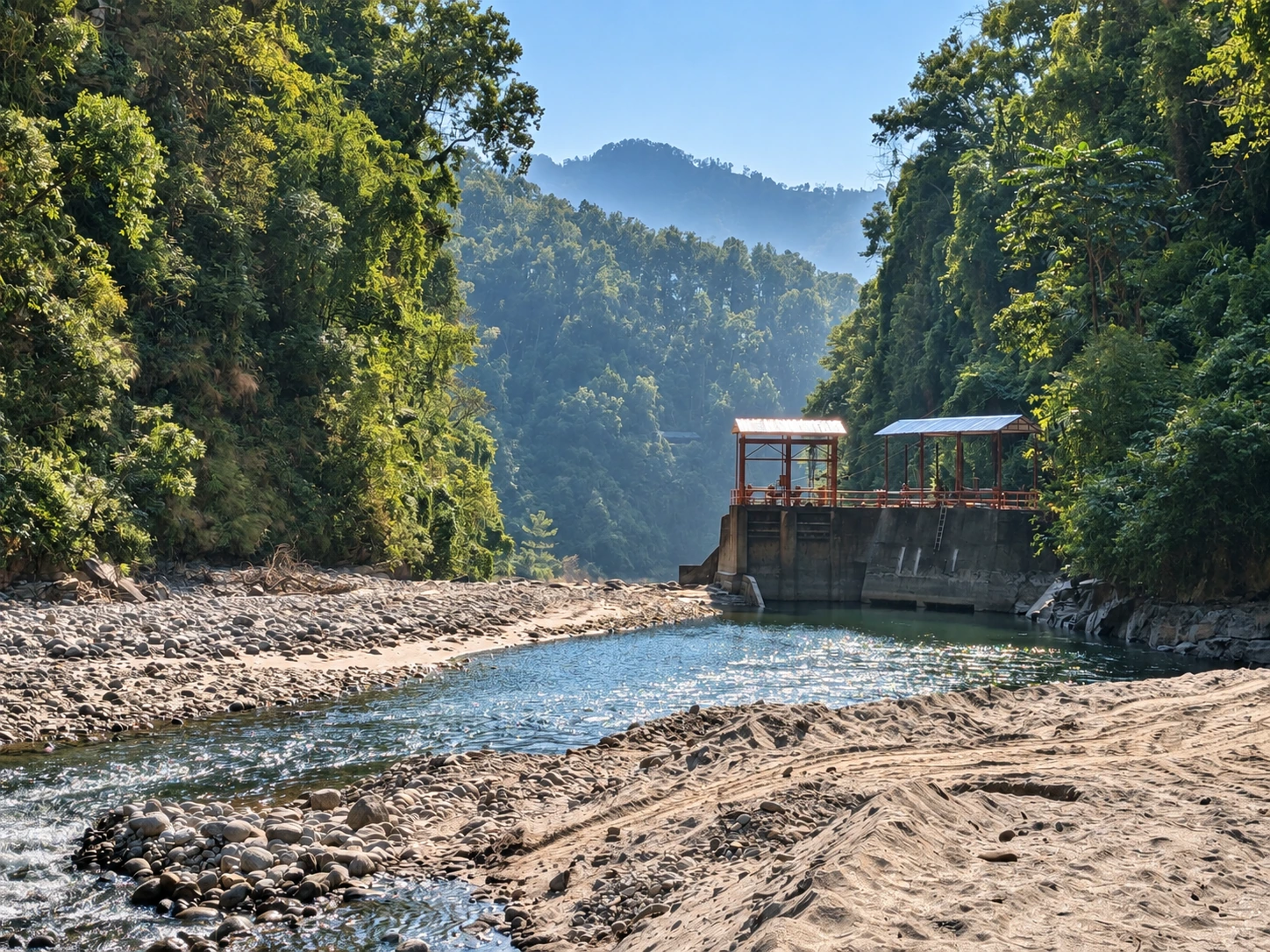
What we see
Most ecological assessments begin with observations in the field. The problem begins when a partial record is treated as a complete account of biodiversity.
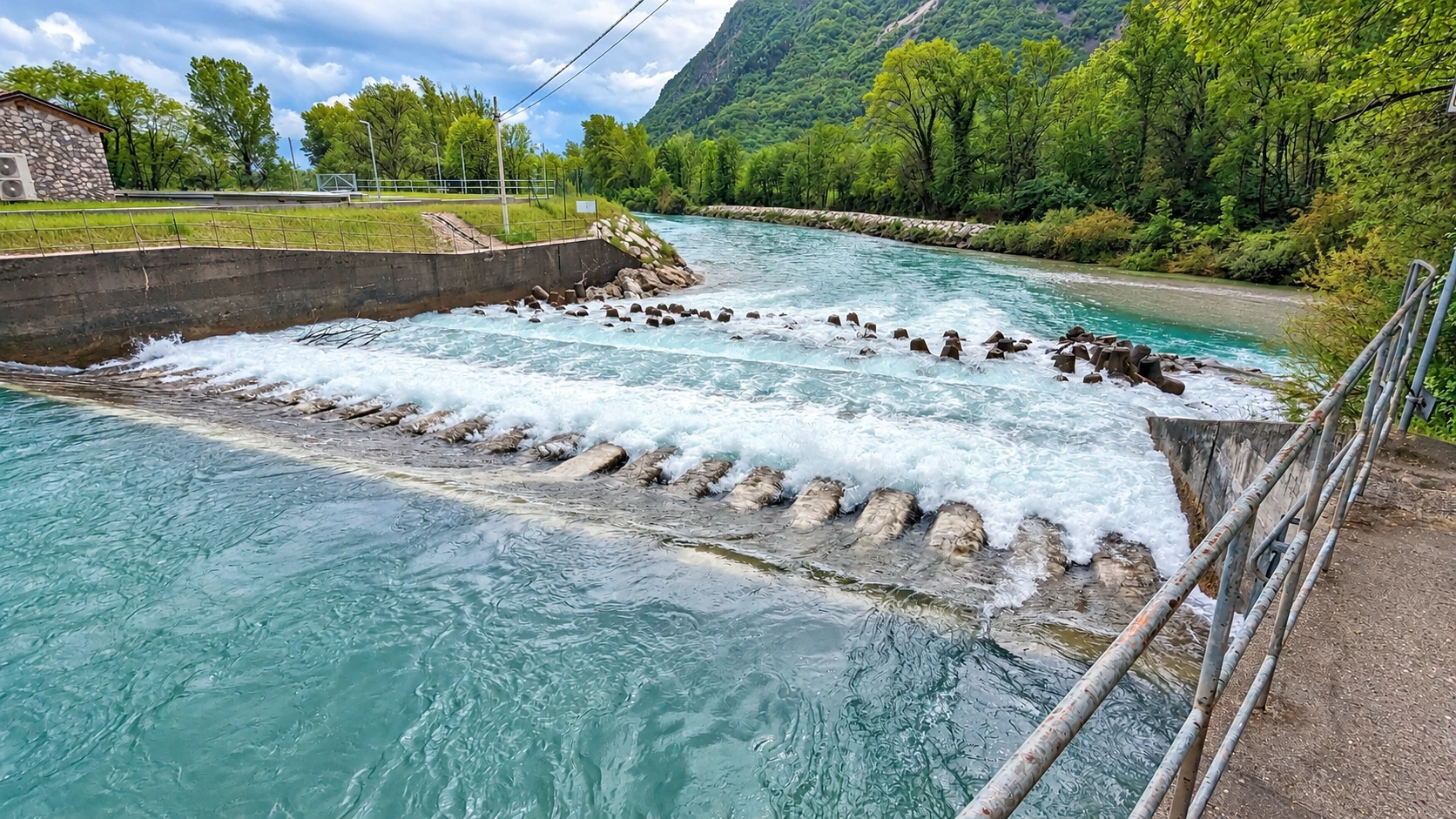
The distinction matters: a species not detected during a survey and a species genuinely absent from a suitable habitat imply different uncertainties, risks and management responses.
Observed ≠ complete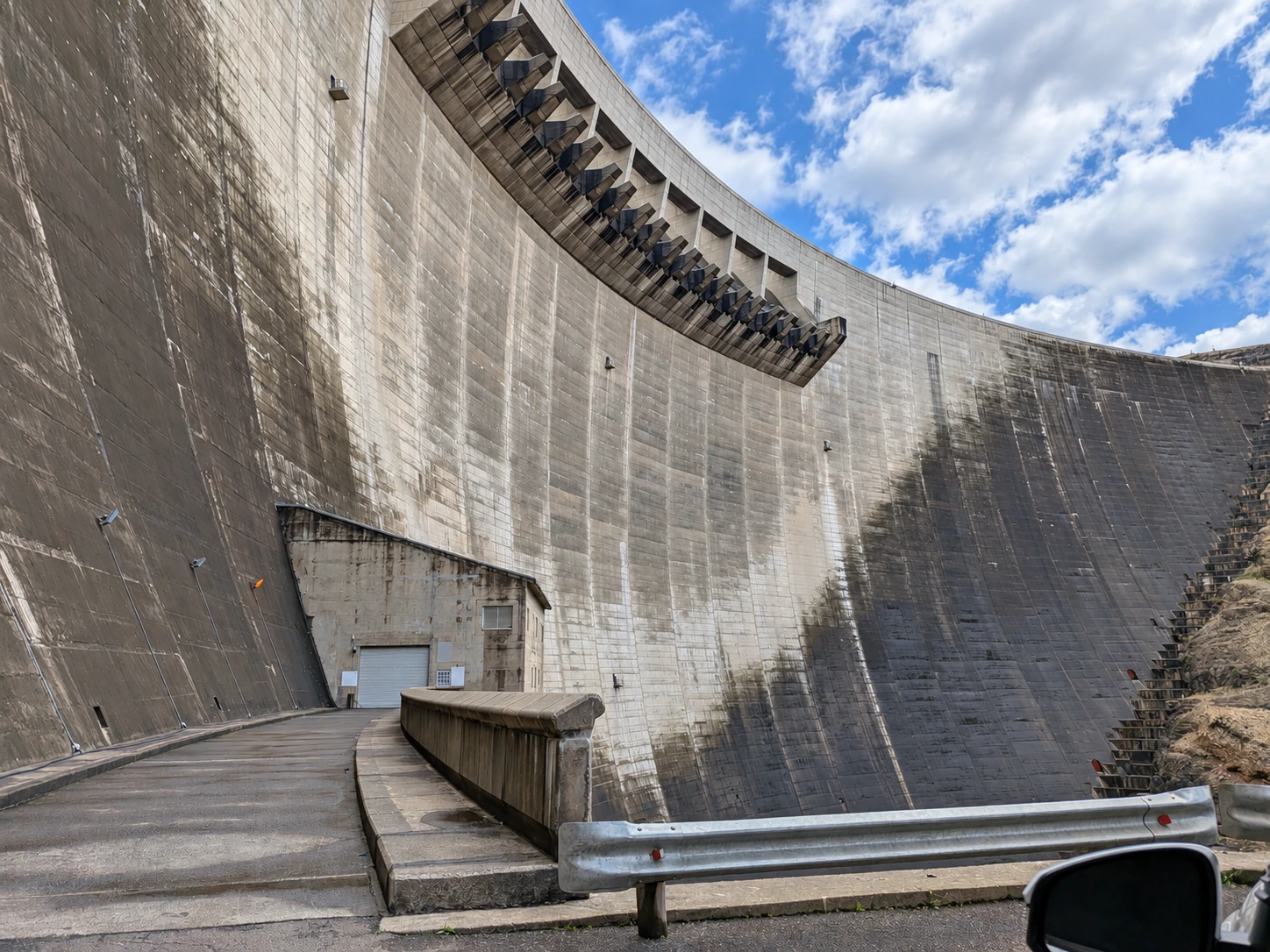
From absence to ecological potential
What is missing
Consider a habitat in which some species are absent because historical disturbance, limited connectivity or establishment barriers prevent their return. An inventory reveals the species remaining today. Dark diversity asks which other species the habitat could ecologically support.
Comparing observed diversity with the estimated site-specific species pool allows us to examine ecological completeness. A pronounced completeness deficit can reveal degradation or unrealised recovery potential that observed richness alone cannot quantify.
That is a diagnostic signal, not proof that every missing species can be restored. Land-use history, dispersal barriers, species interactions and survey uncertainty still need to be assessed.
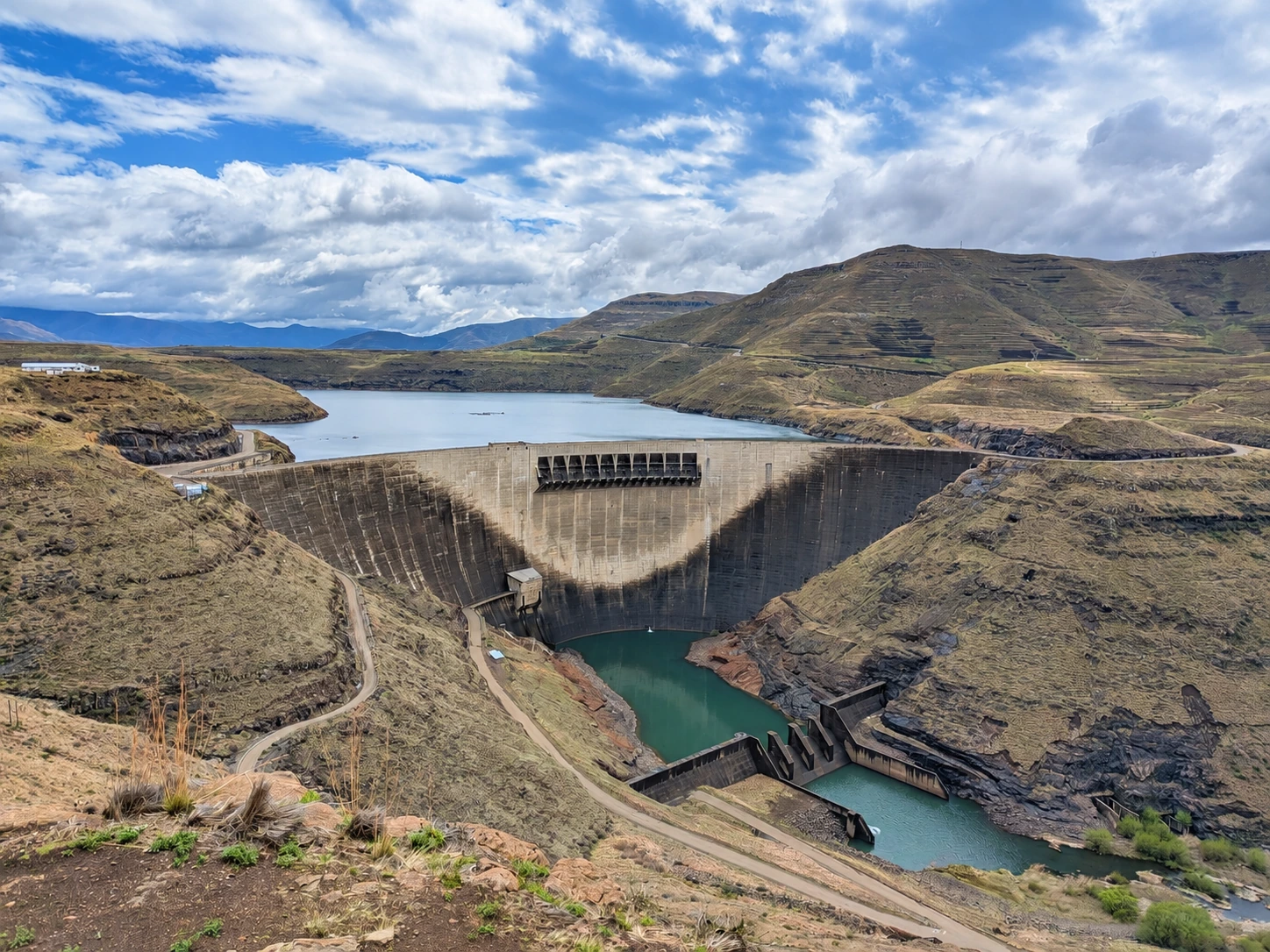
A practical addition to EIA—not a replacement for fieldwork.
Dark diversity becomes useful for assessment only when its assumptions, uncertainty and decision points are explicit. Our paper outlines a workflow compatible with existing biodiversity baselines and the mitigation hierarchy.
- 01
Define the species pool
Combine habitat-specific occurrence records, historical evidence, expert knowledge and, where appropriate, co-occurrence or niche models.
- 02
Address detectability
Use repeat visits, complementary survey methods and detection-aware analyses where feasible. Do not mistake unobserved presence for genuine absence.
- 03
Estimate completeness
Quantify suitable-but-absent species and evaluate completeness deficits alongside habitat history, ecological connectivity and uncertainty.
- 04
Translate into decisions
Use the evidence to inform avoidance priorities, targeted surveys, measurable restoration objectives and the ecological basis of offsets.

From science to environmental safeguards
Why standards should change
For lenders, developers and EIA practitioners, the central question is not whether every expected species must be present. It is whether environmental due diligence makes a defensible assessment of what an ecosystem contains, what may be missing and what can realistically be recovered.
Recognise ecological potential in biodiversity baselines.
The IFC's Performance Standard 6 and the World Bank's Environmental and Social Standard 6 help define biodiversity safeguards in development finance. We propose that future guidance explicitly integrate site-specific species pools, detection uncertainty and ecological completeness into baseline assessment and mitigation planning.
For restoration and offsets, this would mean setting measurable objectives against an ecologically justified reference condition—not simply counting the species present when a project began.