A new digital home for our research—and an open invitation to connect field ecology, advanced spatial technologies and international partnerships.
Biodiversity does not fit neatly into a single discipline, dataset or spatial scale. Neither should the place where we share our work. Today we are launching the new Biodiversity Lab website: a digital home for the Ecology and Diversity of Plant Communities research group at the Department of Life Sciences, University of Trieste, and a meeting point for researchers and organisations interested in understanding biodiversity in a changing world.
This is not simply a new collection of project pages. It is a way to make our research easier to discover, connect the people and methods behind it, share emerging results and open the door to new collaborations. Our guiding idea is also the message on our homepage: Measure. Map. Understand.
Why a new digital home?
Our research has developed across field campaigns, long-term ecological datasets, controlled experiments, remote-sensing platforms and international projects. Those activities are connected scientifically, but their outputs often live in different places: journal articles, project websites, spatial databases, maps, laboratory protocols and the experience of the researchers who produced them. We wanted a shared space where these connections become visible.
The website brings together research themes, people, publications, infrastructure, teaching and project stories. It gives visitors a route from an ecological question to the field observations, analytical approaches and technologies used to investigate it. As the platform grows, we will add further case studies and, where appropriate, interactive WebGIS tools and reusable spatial products.
Field ecology meets the third dimension
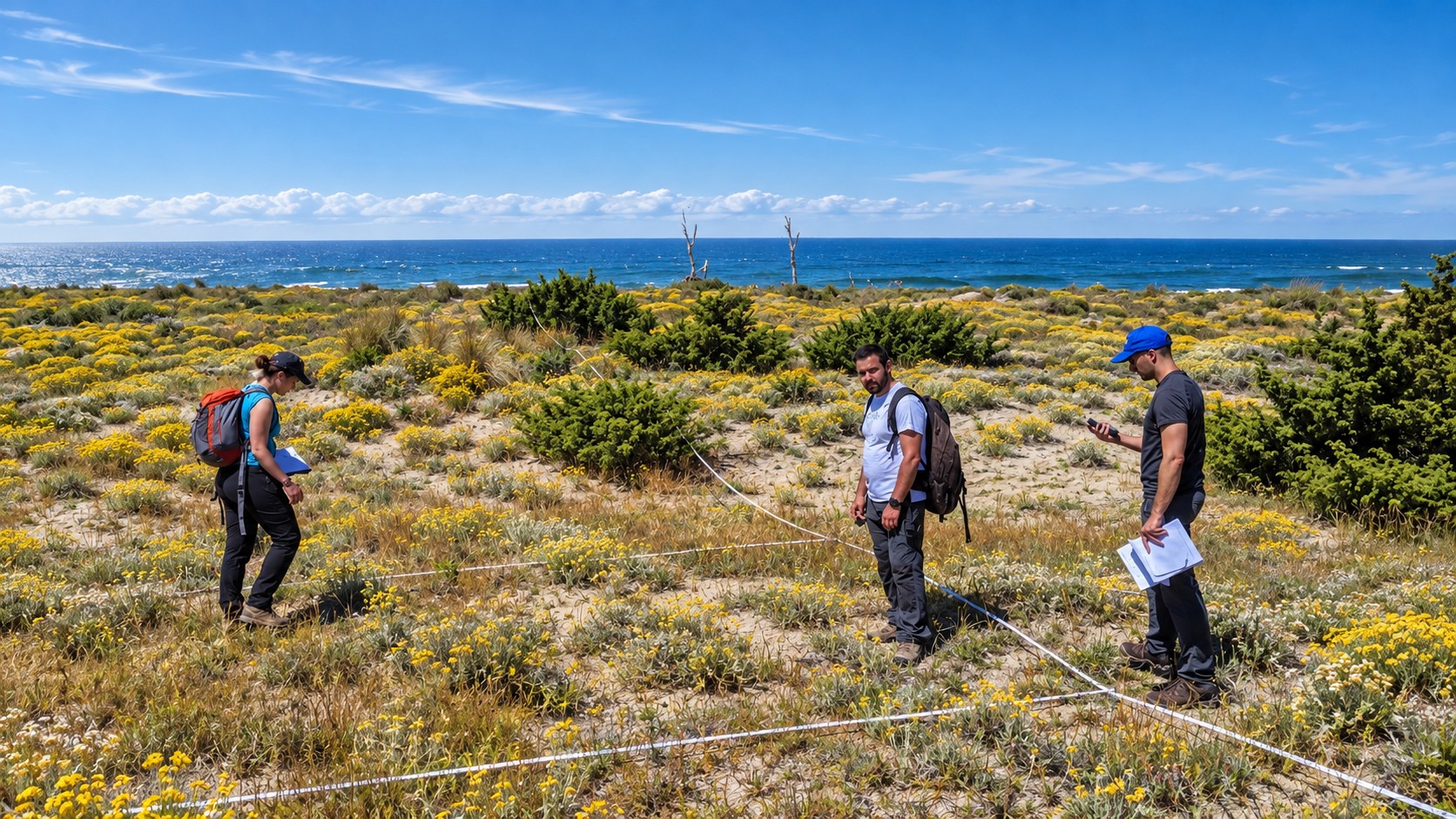
Our distinctive approach starts with ecological questions and the design of robust field sampling. We investigate plant communities through their taxonomic, functional and phylogenetic diversity, exploring how species composition and ecological processes vary across space and time. We then connect this evidence to remote observations: satellite imagery, UAV photogrammetry, hyperspectral data, thermal sensing and airborne LiDAR.
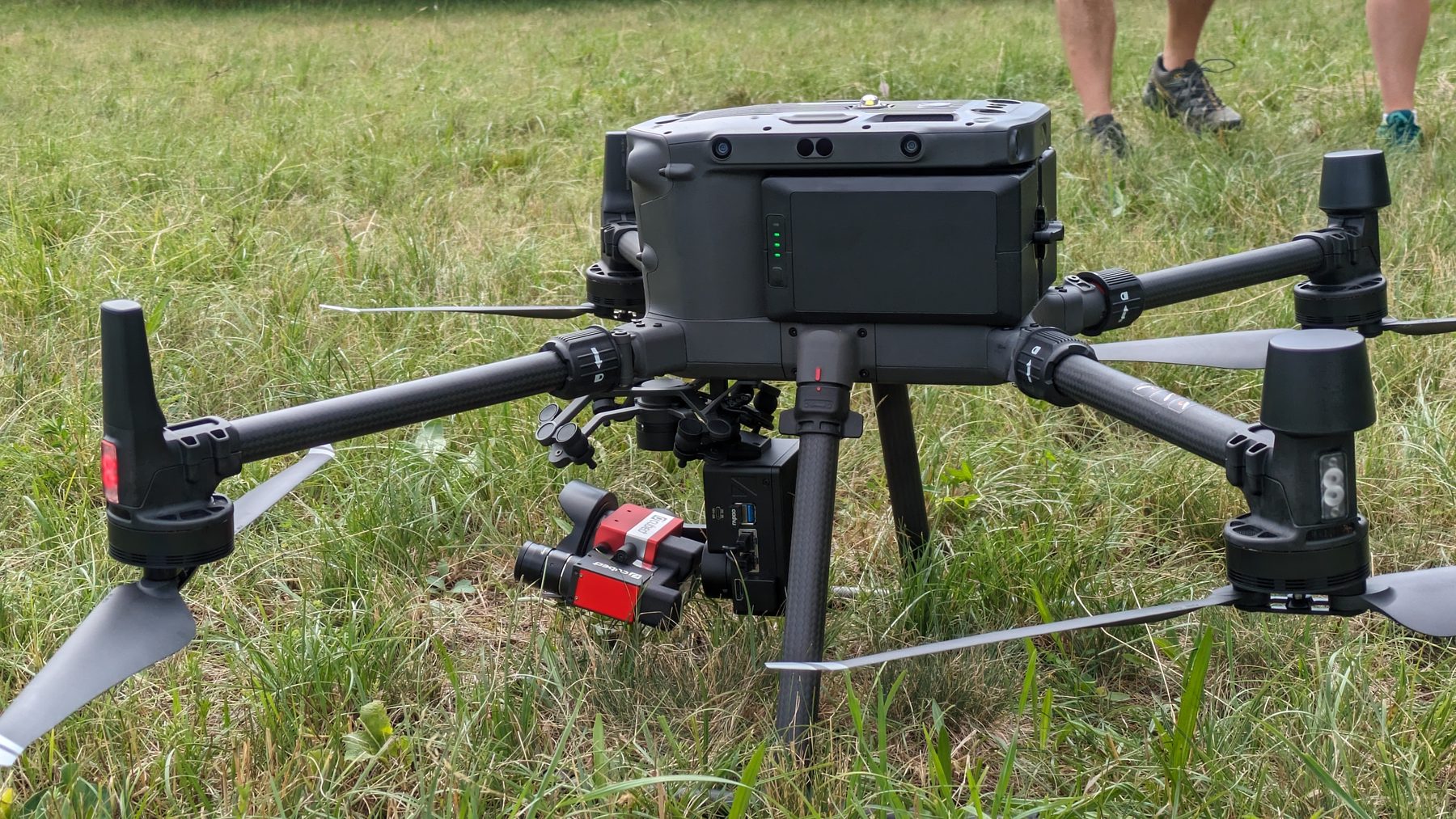
The combination makes it possible to move between scales—from individual plants and vegetation plots to habitats, landscapes and broad geographical patterns. The new DJI Matrice 400 and Zenmuse L3 expand our capacity to study vegetation structure in three dimensions. Together with spectral information, plant traits and spatial modelling, they offer new ways to examine habitat complexity, biodiversity change, disturbance and ecological restoration.
Science that can be explored and used
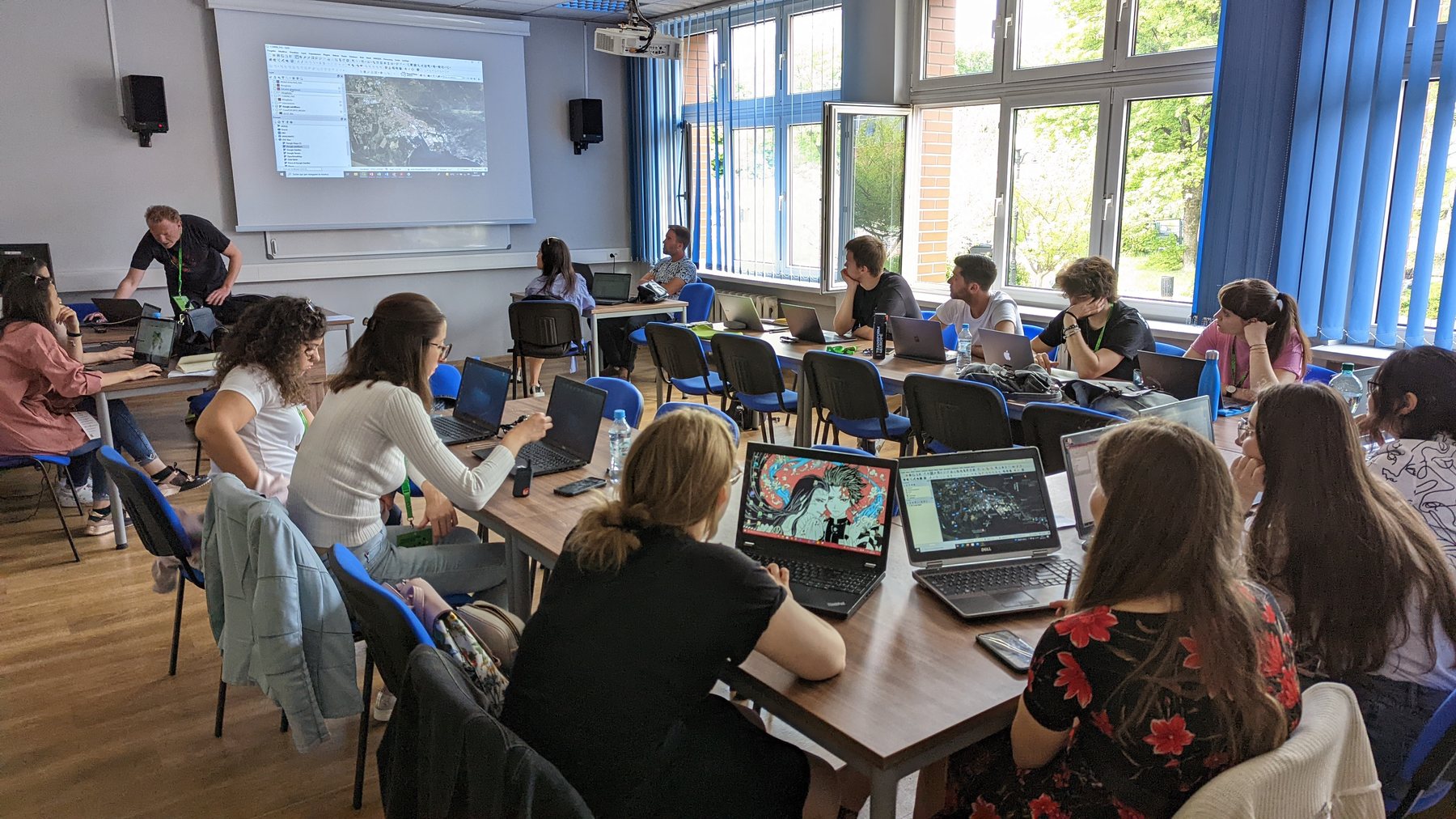
We want the website to be useful to more than our immediate research group. For fellow scientists, it is an entry point to methods, publications, project teams and potential datasets. For students and visiting researchers, it shows opportunities to learn through fieldwork, quantitative ecology and advanced Earth-observation workflows. For protected areas, public administrations and other environmental organisations, it illustrates the scientific questions our laboratory can help address.
We are building the site as an evolving research resource rather than presenting its first version as a finished archive. New publications, field stories, technical case studies and project outputs will be added over time. When data-sharing conditions allow, we aim to make relevant methods and spatial products easier to discover and reuse.
Already working across borders
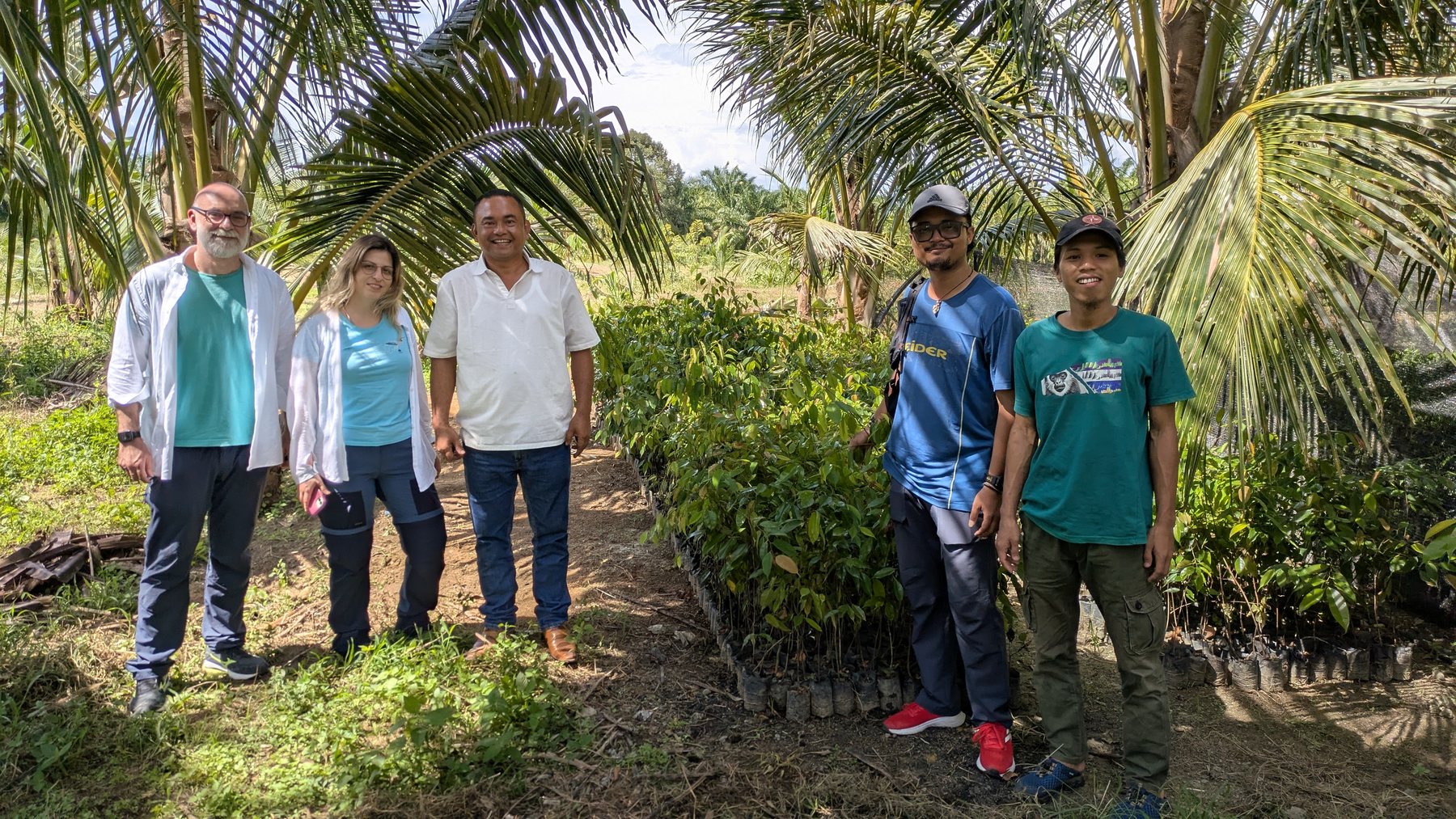
International collaboration is part of the way we work, not an activity separate from our research. Our current portfolio links European initiatives such as the Horizon Europe WISE project on urban sustainability and the Interreg Italy–Croatia WASTEREDUCE project with international cooperation on sustainable coffee production and biodiversity in Tanzania. It also includes BIOCONMOZ, a submitted AICS cooperation proposal under evaluation for biodiversity monitoring, Earth observation and sustainable natural-resource management in and around Chimanimani National Park, Mozambique. Investigator-led studies extend this perspective to other landscapes, including the cultural and ecological mosaics of Shikoku, Japan.
These projects bring together complementary expertise in ecology, Earth observation, spatial analysis, environmental management and communication. The new website offers a clearer view of what each collaboration is trying to achieve, who is involved and how methods developed in one context can inform research in another.
Looking for our next European and international partners
We are actively interested in building new research partnerships with universities, research institutes, protected-area managers, public administrations, NGOs and organisations working at the intersection of biodiversity, climate adaptation and environmental innovation. We welcome opportunities to join or co-develop proposals for Horizon Europe, Interreg, COST, Erasmus+ and other international programmes, where our scientific expertise can make a concrete contribution.
Possible collaborations include joint field campaigns, long-term biodiversity monitoring, habitat and forest-structure mapping, integration of functional traits with LiDAR and hyperspectral data, spatial modelling, open analytical workflows, researcher mobility and advanced training. We are interested both in contributing specialised methods to established consortia and in helping shape new interdisciplinary projects around shared ecological questions.
An invitation, not just an announcement
If you are developing a European proposal, looking for an international research partner or exploring how ecological field data and spatial technologies could support your work, we would like to hear from you. The most valuable collaborations begin with a compelling question, a complementary team and a willingness to build the research design together.
Explore the website, discover our people and projects, and contact us to discuss a possible partnership. This first version is the beginning: a place to share what we know, show what we are working on and make room for what we have yet to discover.