Biodiversity Lab · Research quality / VQR 2020–2024
Four products.
Four Exceptional ratings.
Every Biodiversity Lab research product evaluated in Italy’s national VQR exercise was classified in Class A – Exceptional.
Italy’s national Research Quality Evaluation, coordinated by ANVUR.
Research quality can be discussed in many ways. In Italy, one of the formal ways in which it is measured at national scale is the Valutazione della Qualità della Ricerca — the VQR.
The VQR is the periodic national assessment coordinated by ANVUR, the Italian National Agency for the Evaluation of Universities and Research Institutes. The 2020–2024 exercise assessed scientific outputs, knowledge-valorisation activities and internationally competitive research projects across the Italian research system.
Its consequences are concrete. ANVUR states that a primary objective of the VQR is to provide the Ministry of University and Research with data used for allocating the performance-based component of the national university financing fund. More broadly, the exercise contributes to the formal evidence through which universities and departments are compared, recognised and resourced.
Like every large evaluation system, the VQR cannot capture every dimension of scientific quality. But, for better or worse, it is one of the principal institutional mechanisms through which research performance is assessed in Italy. That is why the result matters to us.
The result
AAAA.
Not “excellent”: Exceptional.
Four research products associated with Biodiversity Lab contributed to the University of Trieste and Department of Life Sciences evaluation. All four were assigned by the relevant GEV to Class A – Eccezionale / Exceptional, the highest class reported in the individual evaluation sheets.
Three products received an overall score of 28.5/30 and one received 29/30. The underlying evaluations recognised very high levels of originality, methodological quality and impact. The key point, however, is the classification itself: four products, four Class A – Exceptional outcomes.
The four products
Different questions.
One standard of quality.
The evaluated work spans the core scientific territory of our laboratory: biodiversity theory, functional diversity, landscape connectivity and remote sensing.
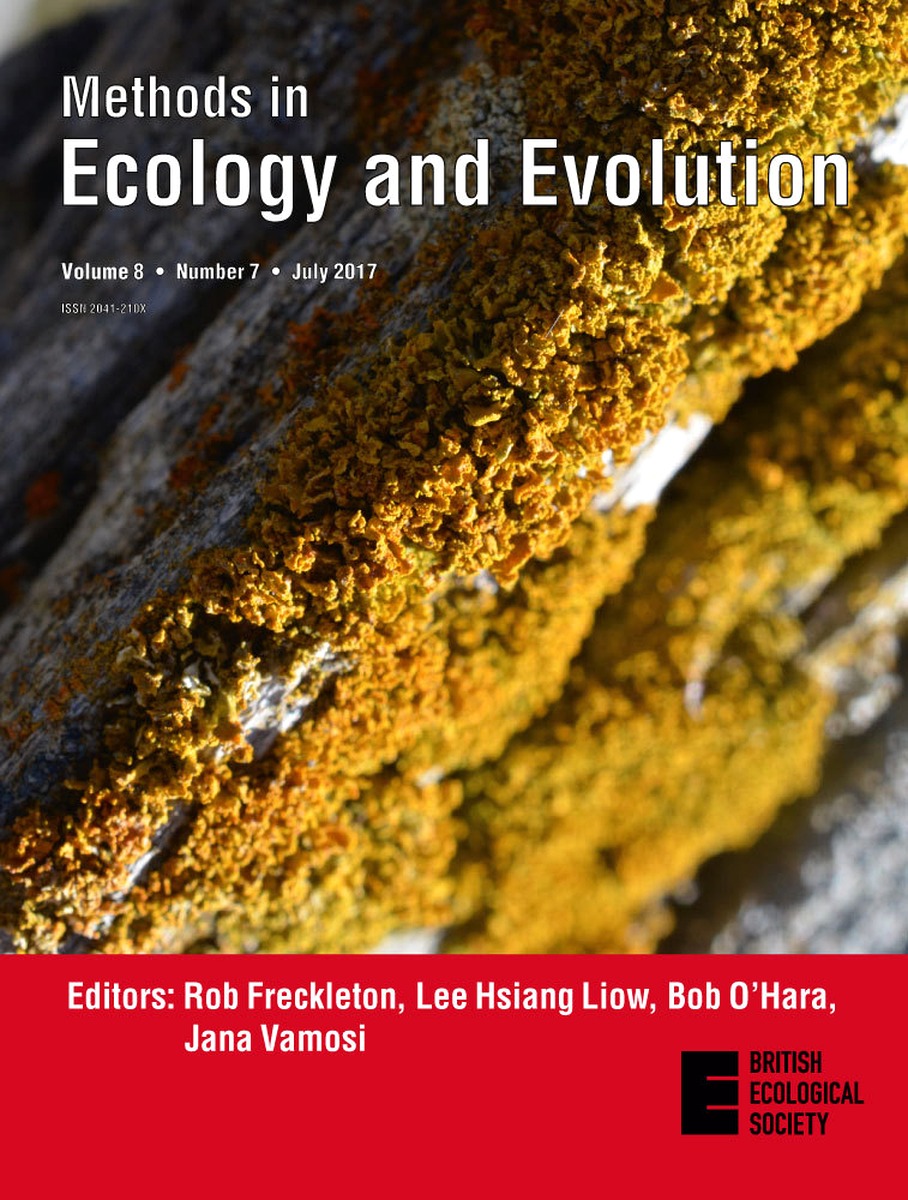 A Exceptional01
How can functional diversity be represented and interpreted across multiple traits?
Methods in Ecology and Evolution
 A Exceptional02
How landscape connectivity, structure and plant diversity can guide effective ecological-network planning.
Journal of Environmental Management
A Exceptional03How information theory and open-source tools can measure ecosystem heterogeneity from space.
Methods in Ecology and Evolution
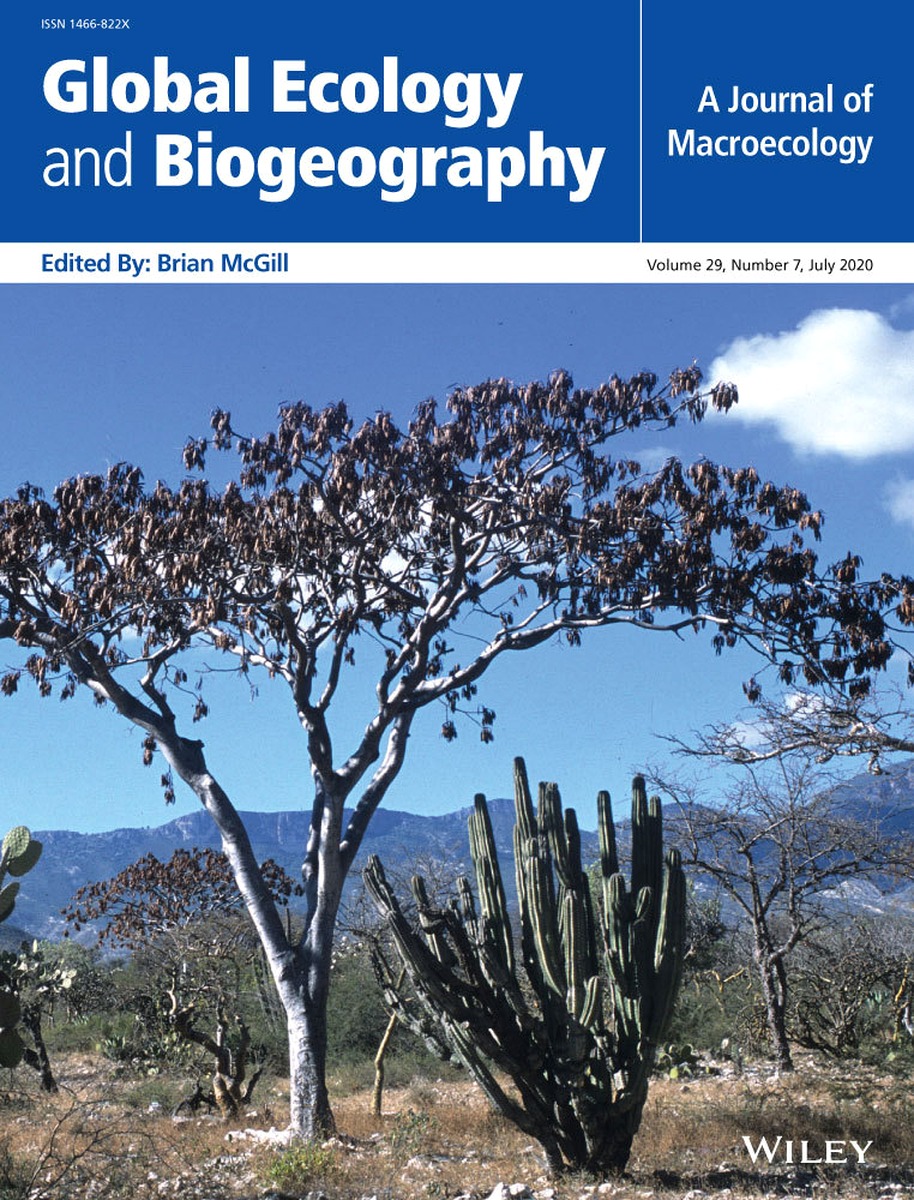 A Exceptional04
How Rao’s quadratic entropy can connect minimum and maximum diversity patterns across the planet.
Global Ecology and Biogeography
The collage above uses the authentic journal-cover assets already archived in the Biodiversity Lab publications catalogue.
Research is a network
Exceptional research is rarely a solo exercise.
All four evaluated products are collaborative papers. That matters to us as much as the final classification.
They were built through scientific relationships that connect complementary expertise: community and functional ecology, landscape analysis, biodiversity theory, remote sensing, information theory, spatial modelling and open analytical tools. The VQR result therefore recognises not only individual outputs, but the quality of the collaborative research environment in which those outputs were produced.
Our laboratory has always worked as part of a broader network. Collaborations allow us to ask larger questions, test methods across different systems and scales, and combine ecological knowledge with quantitative and technological expertise that no single group could fully reproduce on its own.
Four Class A products are a result to celebrate. The network behind them is the capacity we want to keep building.
What it says about our research
Methods, landscapes, biodiversity.
Biodiversity theory
Developing quantitative frameworks that make diversity measurable without reducing ecological complexity to a single count.
Functional ecology
Understanding how multiple traits and their relationships reveal dimensions of community organisation that species richness alone cannot describe.
Landscape connectivity
Connecting plant diversity, landscape structure and ecological networks to practical questions in territorial planning.
Remote sensing
Using spatial data, information theory and open tools to quantify ecosystem heterogeneity from local landscapes to global patterns.