MOZAMBIQUE / CHIMANIMANI NATIONAL PARK
Conservation begins with evidence.
BIOCONMOZ is a submitted international-cooperation proposal connecting biodiversity research, protected-area management and community livelihoods in and around Chimanimani National Park, Mozambique.
The proposed University of Trieste contribution brings together ecological field surveys, Earth observation and spatial analyses to support evidence-based conservation and long-term local research capacity. A preparatory field mission took place in June 2024; implementation remains subject to the outcome of the funding evaluation.
Explore our proposed contribution ↗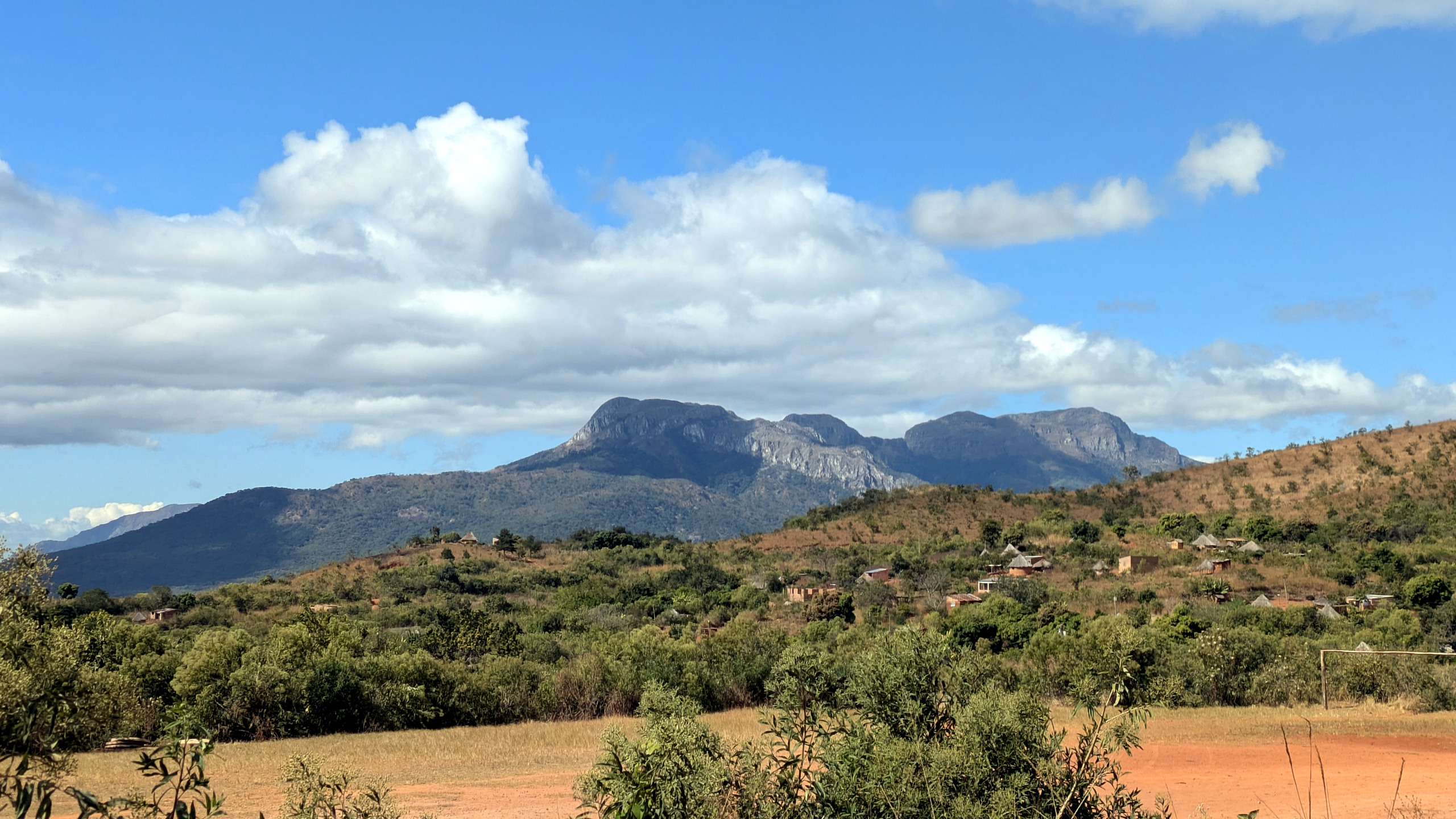
Linking protected-area science to sustainable resource management.
The proposed cooperation programme addresses the knowledge and monitoring needs of Chimanimani National Park and the communities surrounding it. Its work plan combines wildlife and plant research, monitoring of inland waters, conservation planning and the application of scientific evidence to human–wildlife conflict and sustainable livelihoods.
The proposal connects the park and Mozambican scientific institutions with Italian university teams whose expertise spans biodiversity, vegetation surveys, molecular analysis, zoonoses, geospatial technologies and environmental management. The activities and partner responsibilities described below remain proposed until funding is confirmed and the final work plan is agreed.
Field evidence. Satellite perspective. Conservation priorities.
Our proposed role is to connect the park's field observations with remote sensing and quantitative ecological analysis, so monitoring can guide practical conservation decisions.
Camera traps and mammal ecology.
In coordination with Chimanimani National Park and Sapienza University of Rome, the UniTS team proposes camera-trap monitoring and field observations of mammal communities, including elephants and species affected by poaching. Analysis would examine habitat use, anthropogenic disturbance and areas of potential human–wildlife conflict.
Land-cover change from space.
Copernicus imagery, GIS and field validation are envisaged to assess land-use change, agricultural practices, vegetation condition, deforestation and land degradation. Spatial evidence would help identify sites relevant to conservation and sustainable plant-resource use.
Related research by Gaia Foltran ↗Biodiversity and ecosystem services.
Integrating vegetation and wildlife evidence with environmental gradients and landscape indicators would support ecological prioritisation and ecosystem-services assessment, including the relationships between conservation objectives, land use and benefits for nearby communities.
Freshwater wildlife monitoring.
UniTS proposes support for assessing otter distribution through field surveys of signs of presence and camera traps, complementing water and aquatic-fauna monitoring coordinated by local scientific and park partners.
Scope note: invasive alien species were discussed during project development but are not included as a confirmed task in the revised activities matrix; any such module would require agreement in the final work plan.
From a Master's thesis to ongoing research.
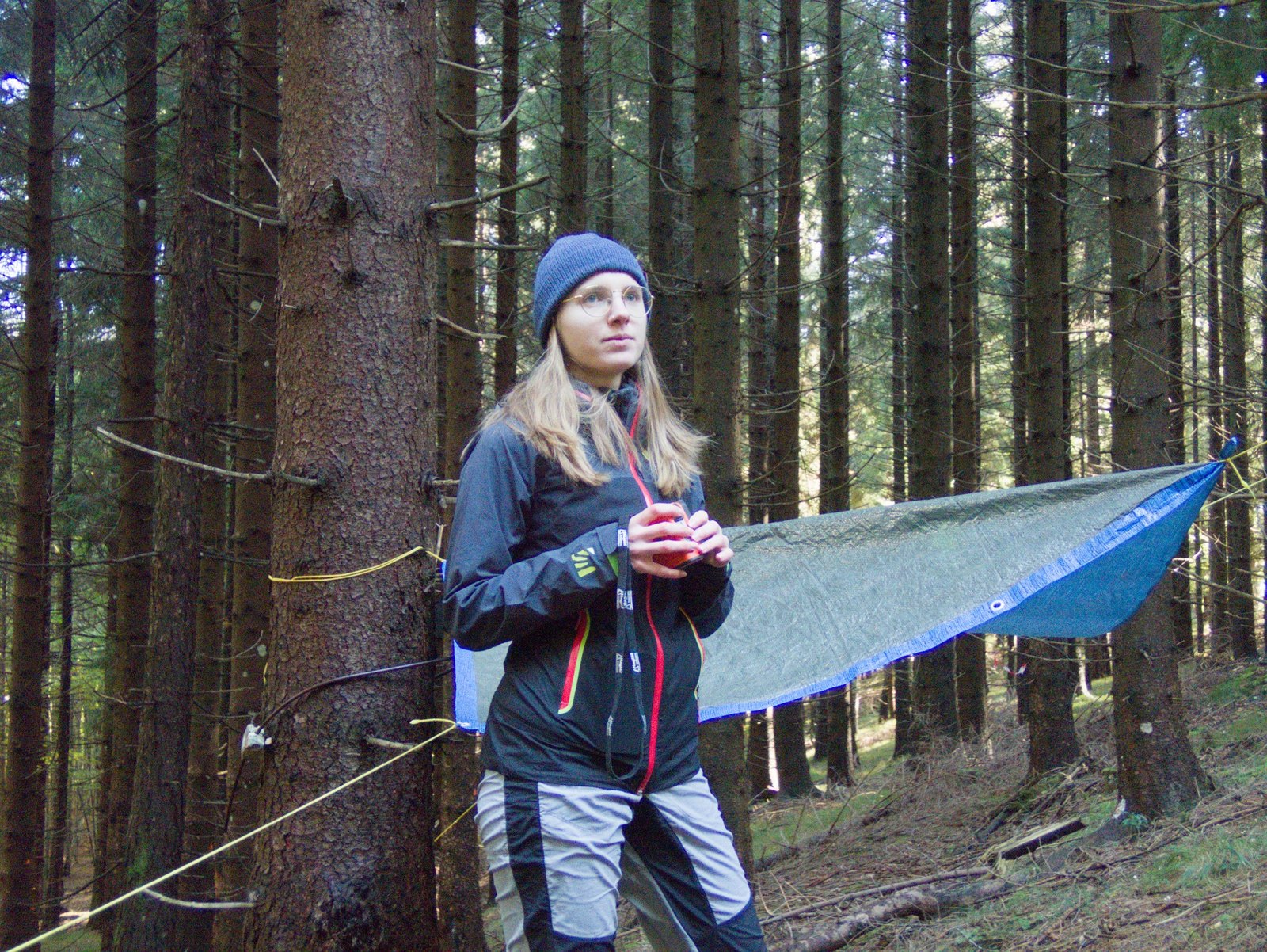
Gaia Foltran studied land-cover and landscape-pattern change across protected areas in the Mozambique–Zimbabwe transboundary region for her 2025 MSc thesis in Global Change Ecology and Sustainability at the University of Trieste. Her work integrates Earth observation, change detection and landscape metrics to examine environmental disturbance and habitat dynamics.
She is currently developing a scientific manuscript based on this research. The study provides a relevant research connection to BIOCONMOZ's proposed remote-sensing and conservation-planning activities; her thesis and manuscript are academic research, not completed outputs of the AICS proposal, which remains under evaluation.
Explore Gaia's research profileUnderstanding Chimanimani on the ground.
The preparatory visit documented the park's mountain landscapes, dry woodland, rivers, agricultural interfaces and neighbouring settlements. Meetings and field visits with local partners provided context for designing integrated biodiversity monitoring and for identifying the practical requirements of work in the park and its buffer zones.
Chimanimani and the wider Mozambique mission.
34 documentary photographs · June 2024. Select an image to enlarge it.
Research developed with local institutions.
The activity matrix identifies the University of Turin as proposed coordinating academic partner, with Chimanimani National Park, the University of Trieste, Sapienza University of Rome, the Maputo Herbarium, the University of Sassari and Mozambican biotechnology expertise contributing to complementary work packages. The community-focused components are envisaged in cooperation with the civil-society partner.
These are responsibilities in a submitted proposal, not confirmation of funding or the commencement of project implementation.