WALL-ECO
Ecosystem Values of Dry Stone Walls in Agricultural Landscapes.
A proposed 36-month investigation of dry-stone walls as biodiversity refuges, landscape corridors and multifunctional ecological infrastructure within agricultural landscapes. The proposal is under evaluation: activities are planned, not funded or underway.
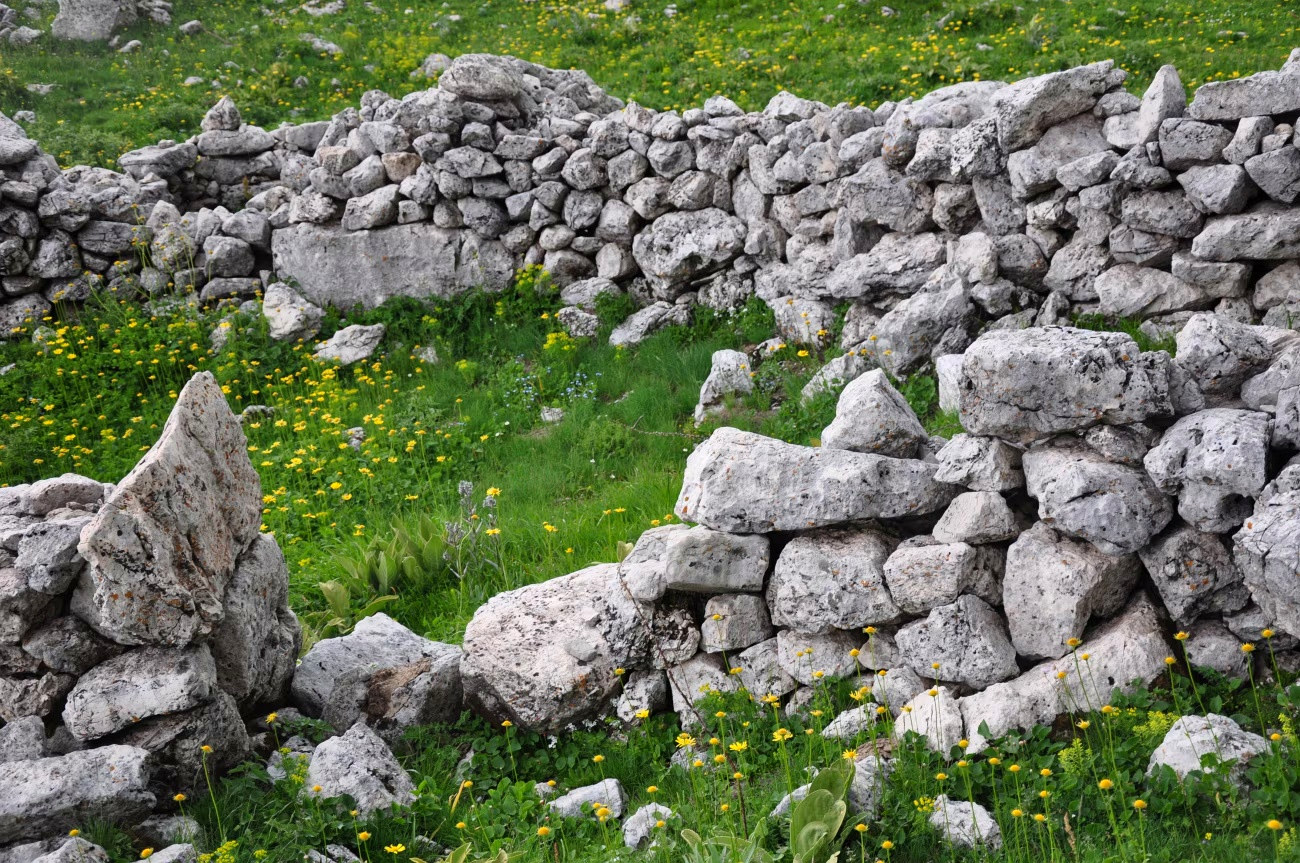
Dry-stone walls as ecological infrastructure.
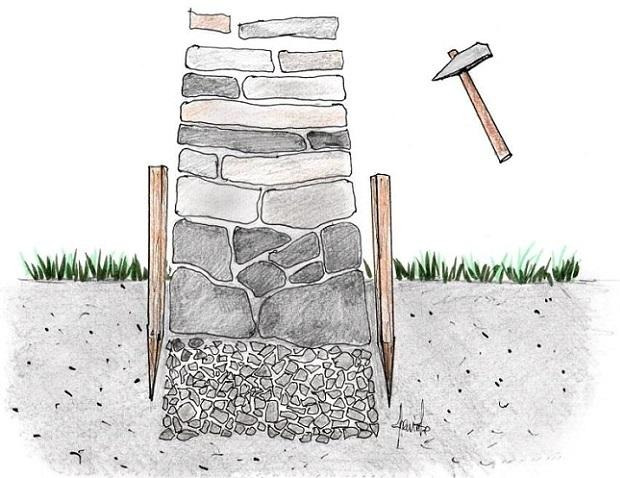
WALL-ECO brings together soil chemistry, mineralogy, microbial ecology, biodiversity, hydrology, landscape connectivity and rural architecture. Its central hypothesis is that the geometry and stone composition of traditional walls shape runoff, infiltration, erosion, microclimates and microhabitats for plants and animals.
Standardised comparative sampling will investigate walls and adjacent agroecosystems along Italian climatic, lithological and land-use gradients, connecting ecological functions to the conservation of rural heritage and to evidence-based restoration.
Our proposed scientific contribution.
Giovanni Bacaro leads the proposed Trieste unit. UniTS co-leads WP4 on vegetational-faunal biodiversity and WP6 on integrated data and modelling. Its proposed activities connect field botany and cross-taxon ecology with UAV remote sensing and interoperable environmental data.
Plant biodiversity
Lead standardised vascular-plant inventories, vegetation and functional-trait surveys across wall faces, tops, bases and adjoining strips.
Cross-taxon ecology
Lead integration of plant, lichen and faunal data to investigate taxonomic congruence and indicators of ecological function.
Remote sensing
Lead UAV, multispectral and 3D structural sensing using photogrammetry, LiDAR or structure-from-motion.
Landscape analysis
Contribute GIS and landscape-mosaic analysis with Sapienza and Naples.
WALL-CUBE
Lead the FAIR-by-design, AI-ready framework integrating soils, lithology, microclimate, biodiversity, traits, remote sensing and landscape datasets.
Roles and outputs reflect the submitted work plan and depend on the funding decision.
Six contrasting study areas.
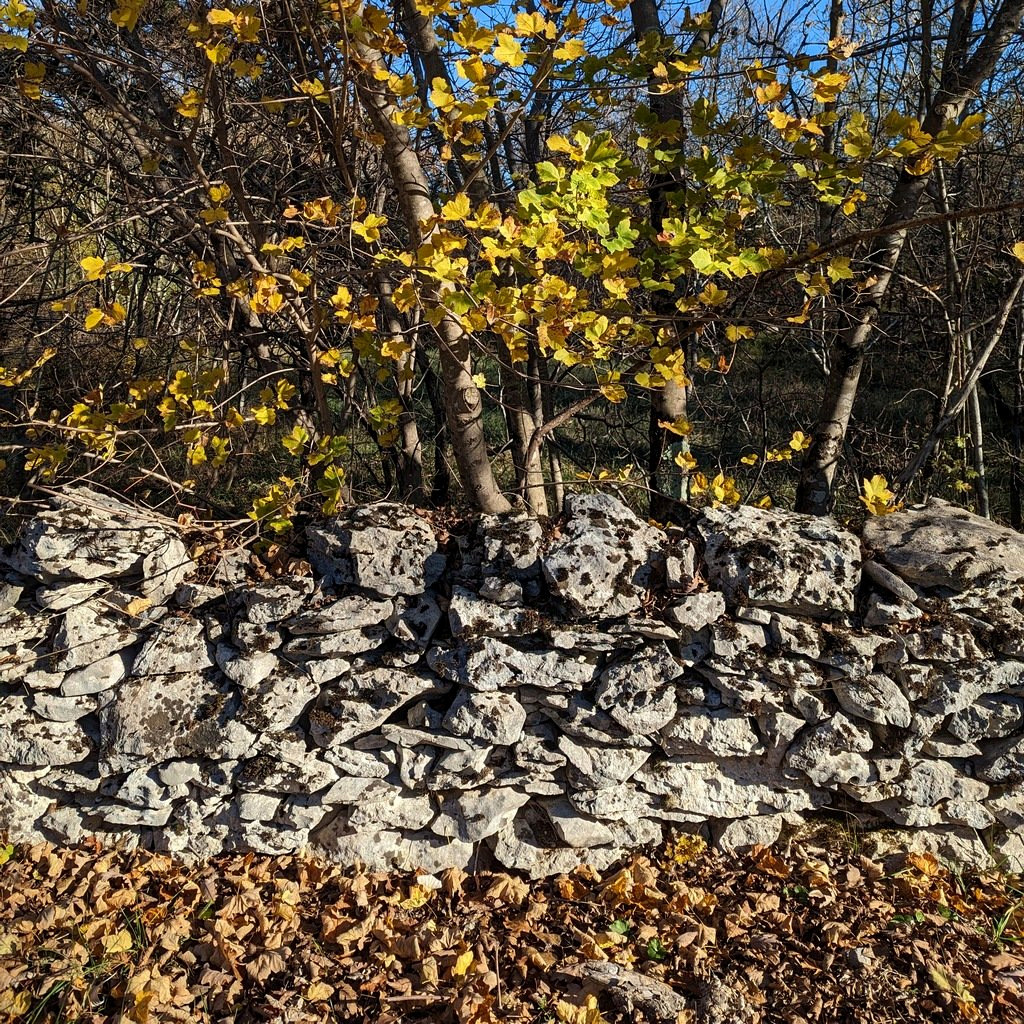
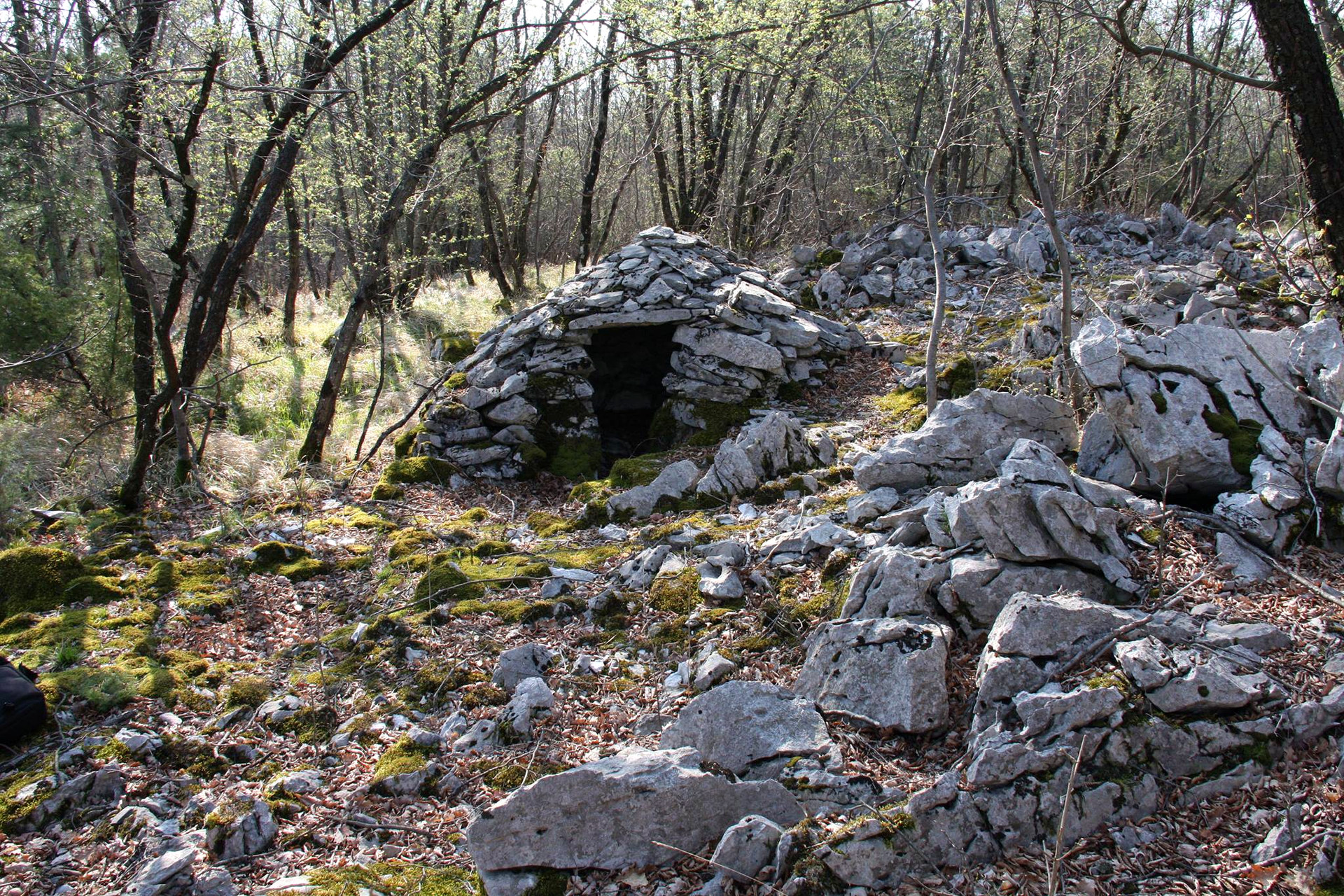
Six complementary research units.
The institutions below are named in the submitted proposal. Their inclusion does not indicate award of funding or a separate bilateral agreement with UniTS.
University of Basilicata
Coordination; soil and plant chemistry; biogeochemistry
Collaboration profile ↗University of Trieste
WP4 and WP6 co-lead; plant diversity, cross-taxon ecology, UAV sensing and WALL-CUBE
Sapienza University of Rome
Biodiversity and landscape ecology; spatial connectivity
Collaboration profile ↗University of Bari Aldo Moro
Microbial ecology, biocontrol and integrated modelling
Collaboration profile ↗University of Calabria
Mineralogy, geochemistry and water–rock interactions
Collaboration profile ↗University of Naples Federico II
Rural architecture, wall mapping, drone surveying and territorial planning
Collaboration profile ↗From field datasets to restoration guidance.
Proposed outputs include standardised biodiversity and functional-trait datasets, wall and landscape GIS layers, UAV pilot products, connectivity analyses, WALL-CUBE, an eco-functional wall typology and decision-support indicators for compatible restoration and sustainable land management.