WASTEREDUCE.
Less waste. Stronger ecosystems. A shared approach to protecting the Adriatic’s natural areas.
From the Middle Brenta to the Istrian coast and Sakarun Bay, WASTEREDUCE brought together ecological monitoring, behavioural science and participatory waste-management solutions in protected and Natura 2000 areas.
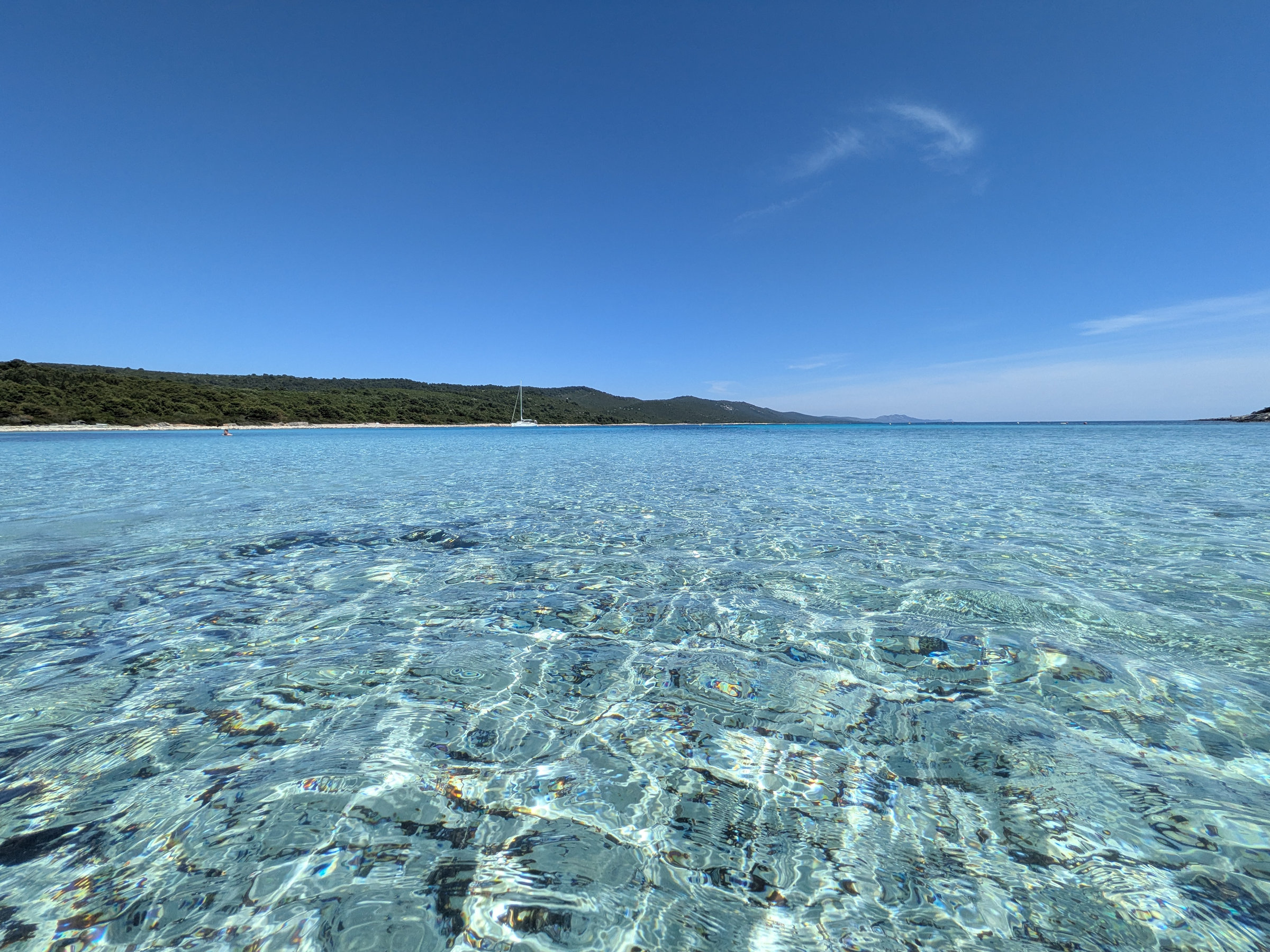
Science and cooperation, from river to sea.
Waste does not respect protected-area boundaries. River transport, coastal tourism and everyday decisions can shift litter from the land into freshwater and marine habitats. WASTEREDUCE addressed these connected pressures through research, local participation and site-specific pilot actions.
Led by the Institute of Agriculture and Tourism in Poreč, the Interreg Italy–Croatia partnership connected eight research, environmental management, regional, nonprofit and service organisations. Three principal testing grounds—the Middle Brenta, western Istria and Sakarun Bay on Dugi Otok—allowed the consortium to work across riverine, coastal and marine conditions.
For the University of Trieste, the project combined two complementary lines of research: behavioural science, coordinated by Fabio Del Missier, and geospatial monitoring of waste accumulation, coordinated by Giovanni Bacaro.
Explore the official project ↗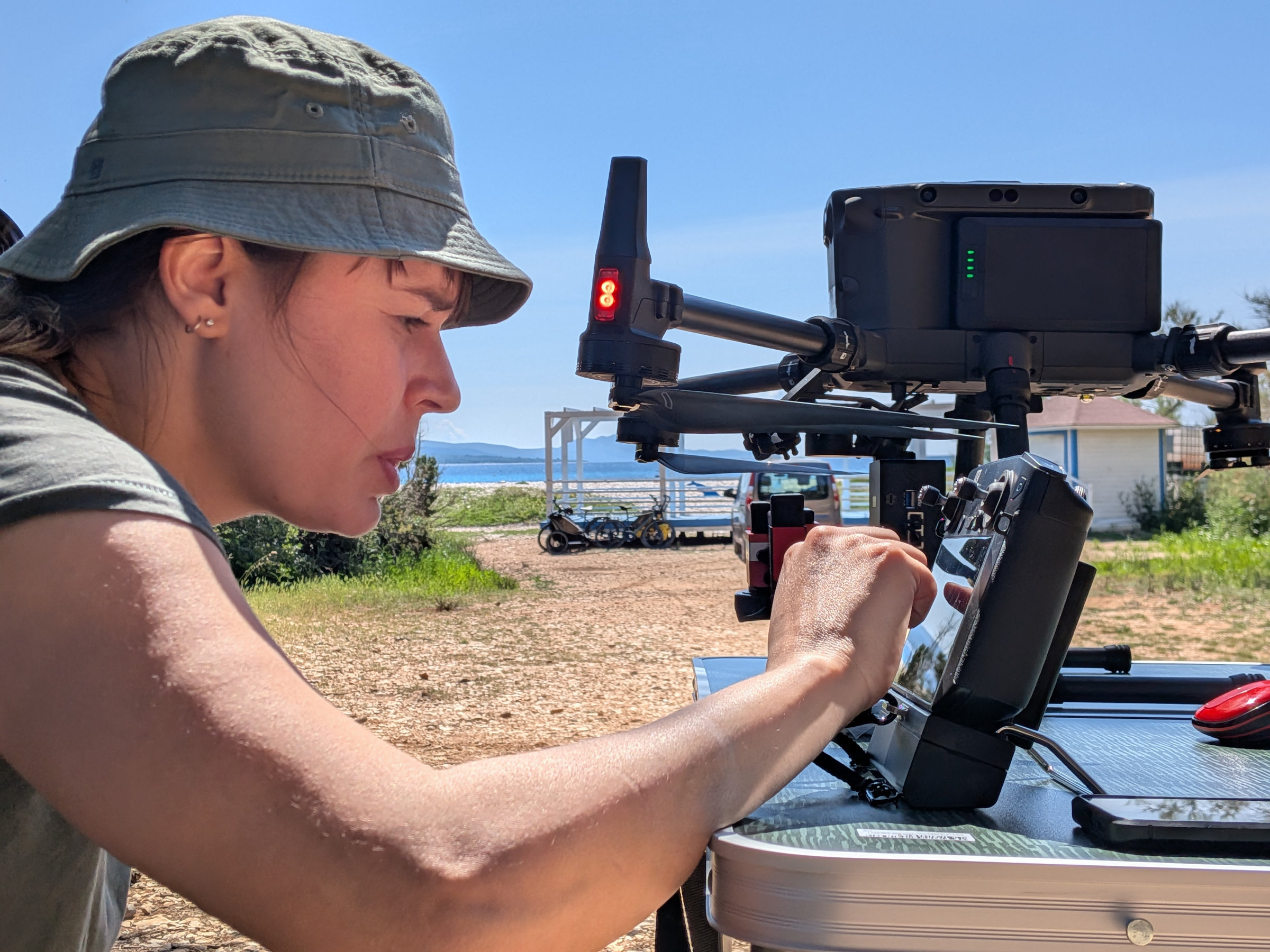
From field evidence
to practical action.
Research was translated into mapped hotspots, recommendations for visitor behaviour and locally adapted waste-prevention measures.
Know where waste accumulates.
A georeferenced inventory integrated field observations with European, national and citizen-science data, documenting waste hotspots and types across protected pilot sites.
Make the responsible choice easier.
Surveys, interviews and behavioural research showed why clear information alone is insufficient: accessible facilities, coherent signage and the design of visitor spaces all matter.
Turn a pilot into a shared strategy.
The partners produced site-specific actions, educational tools, technical guidance and a cross-border participatory framework designed for adaptation in other protected areas.
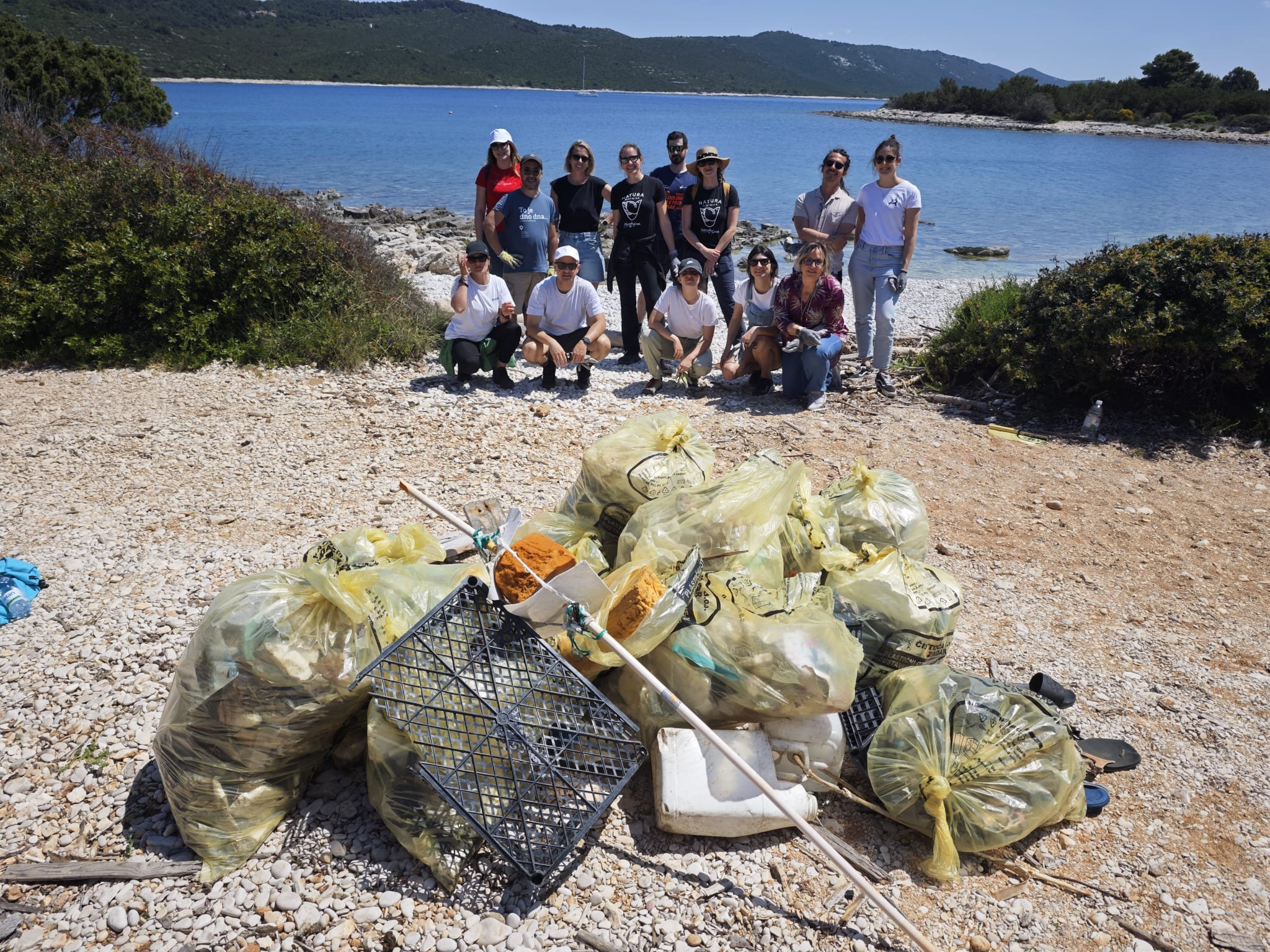
of waste recovered in one year through the local operations reported by the University of Trieste.
signed the Brenta Mayors’ Agreement, committing to protection of the Natura 2000 landscape.
One challenge.
Two scientific lenses.
Environmental monitoring and behavioural research provided complementary evidence for effective waste prevention.
Spatial ecology, satellite data and UAV monitoring.
The lab developed the project’s waste-mapping methodology and georeferenced hotspot inventory, and tested Sentinel-2 imagery, the Floating Debris Index, change detection and high-resolution hyperspectral drone imagery. The work included Sakarun field campaigns and UAV monitoring in the Middle Brenta in collaboration with ARPAV.
A scientifically useful limitation. Sentinel-2 could reveal large floating objects but could not reliably distinguish small, scattered plastic waste; hyperspectral UAV data provided finer spectral detail, but classification was constrained by sparse training samples. Ground surveys therefore remained fundamental to the verified hotspot database.
Understanding how visitors make decisions.
The behavioural research group examined cognitive, motivational and contextual drivers of littering through visitor questionnaires, stakeholder surveys, interviews and observational evidence. Findings informed practical recommendations for the placement of collection points, signage, visitor facilities and engagement activities.
Presented to local stakeholders in January 2026, these insights connect an evidence-based understanding of human decisions with the infrastructure and organisation of natural and recreational areas.
Sakarun: research in the field.
Thirty months.
A shared journey.
From project scoping to applied monitoring, local workshops and final dissemination.
- 01Project launch
Eight partners began a 30-month Italy–Croatia cooperation project.
- 02Trieste launch event
The University of Trieste introduced the project, its research contribution and the cross-border partnership.
- 03Monitoring and technical exchange
UAV fieldwork at Sakarun, pilot-site observations and professional visits to waste-management facilities.
- 04From research to local action
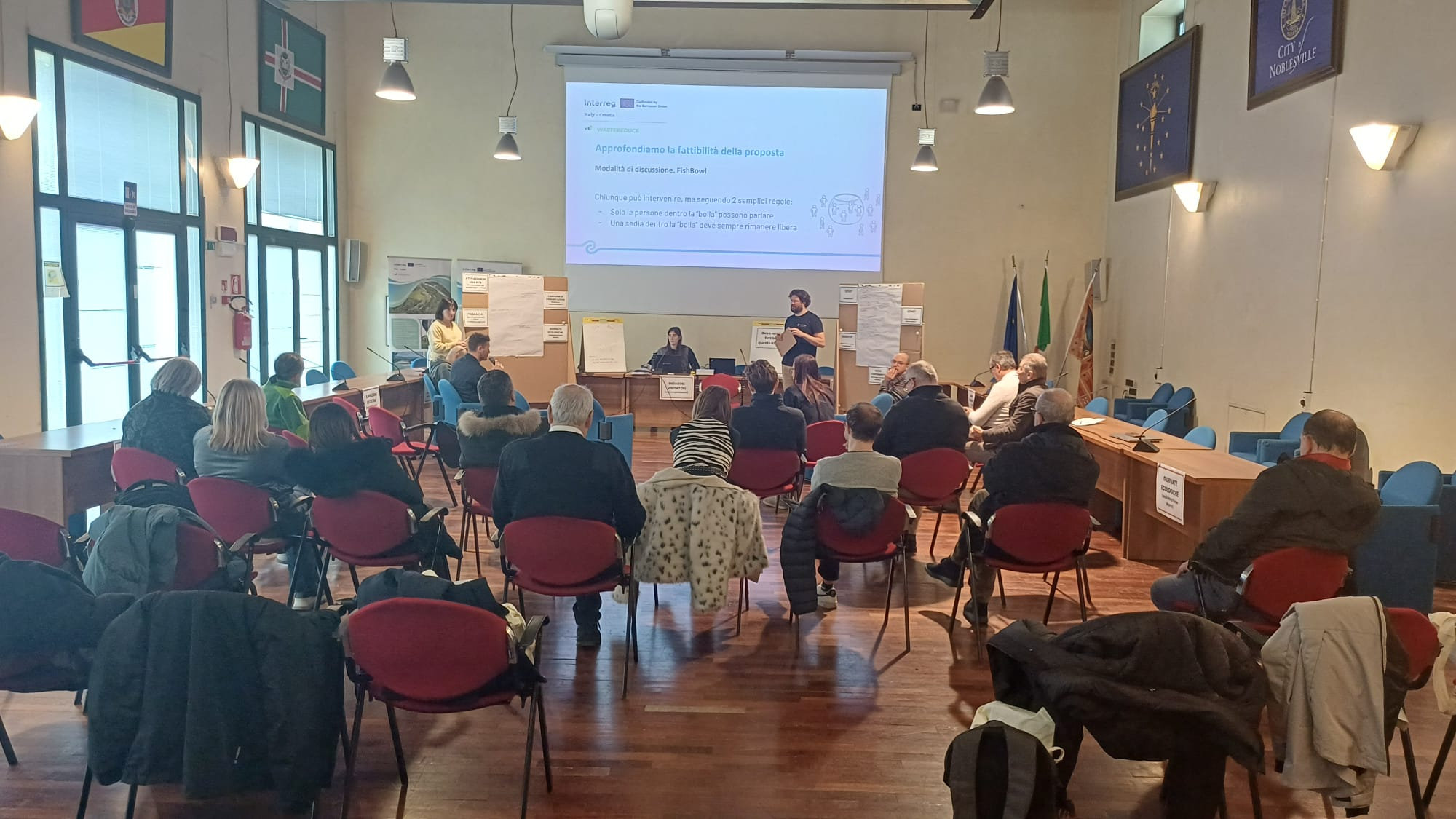
The Cittadella workshop brought behavioural evidence and environmental monitoring into discussions with local stakeholders.
- 05Results and lasting outputs
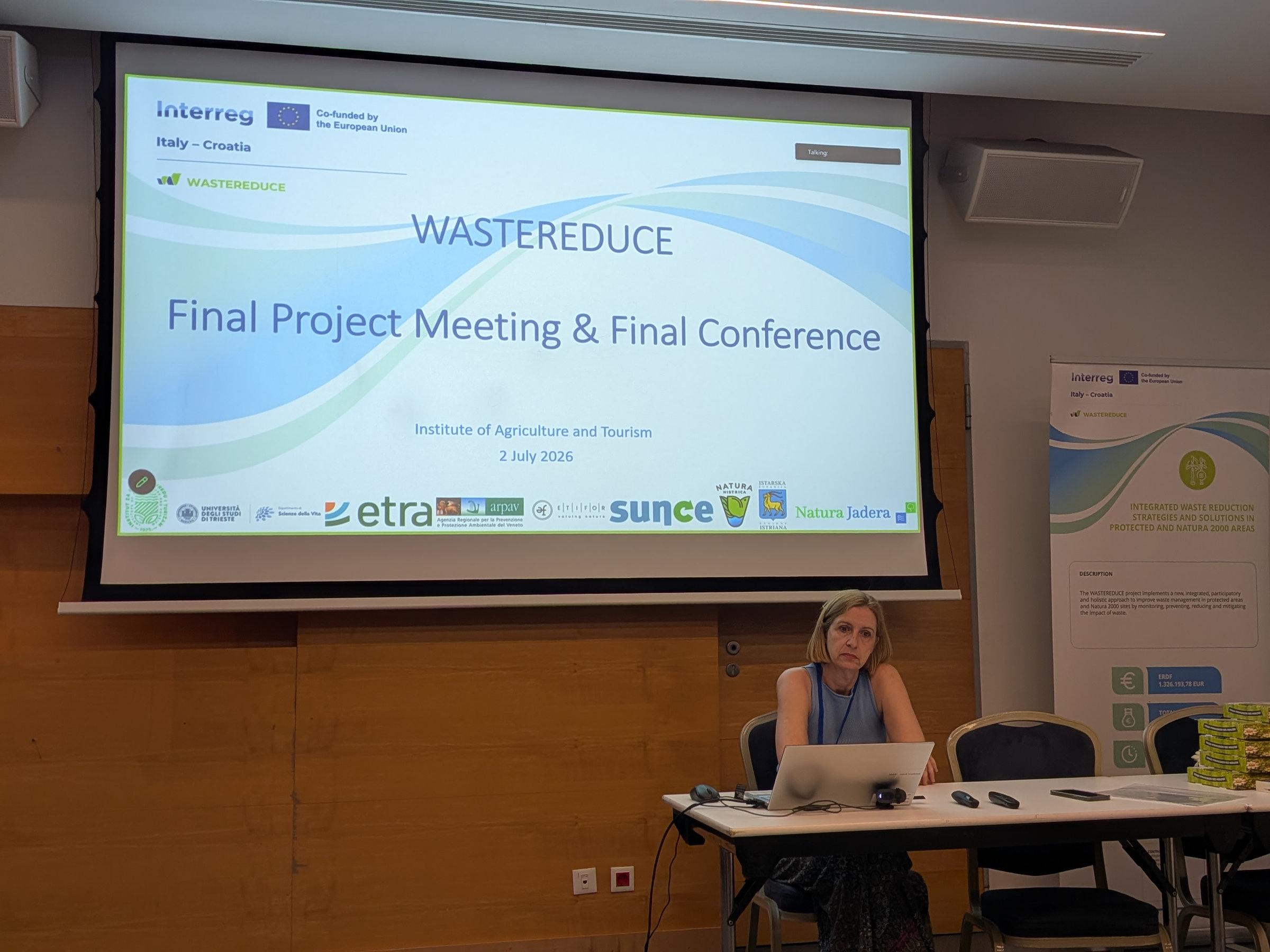
The final conference in Poreč and the Middle Brenta event shared the results, strategies and pilot experience.
People. Places.
Work in progress.
46 photographs documenting the coastal campaign, study visits, education and project meetings.
Research you can
build on.
The project’s official library hosts the consortium’s scientific reports, participatory strategy, action plans, educational materials and the relevant UniTS deliverables.
A methodology for locating and mapping waste
Remote-sensing options, pilot-area characteristics, data standards and a framework for identifying recurring waste accumulation points.
Download project PDF ↗A georeferenced inventory of waste hotspots
Field surveys and existing databases combined to document accumulation locations and types of waste across the pilot sites; the wider dataset was prepared in GIS and spreadsheet formats.
Download project PDF ↗Testing satellite and hyperspectral UAV imagery
Sentinel-2 spectral indices and drone hyperspectral data were evaluated. Their limitations for dispersed litter, and the need for adequate training data and ground validation, are essential findings.
Download project PDF ↗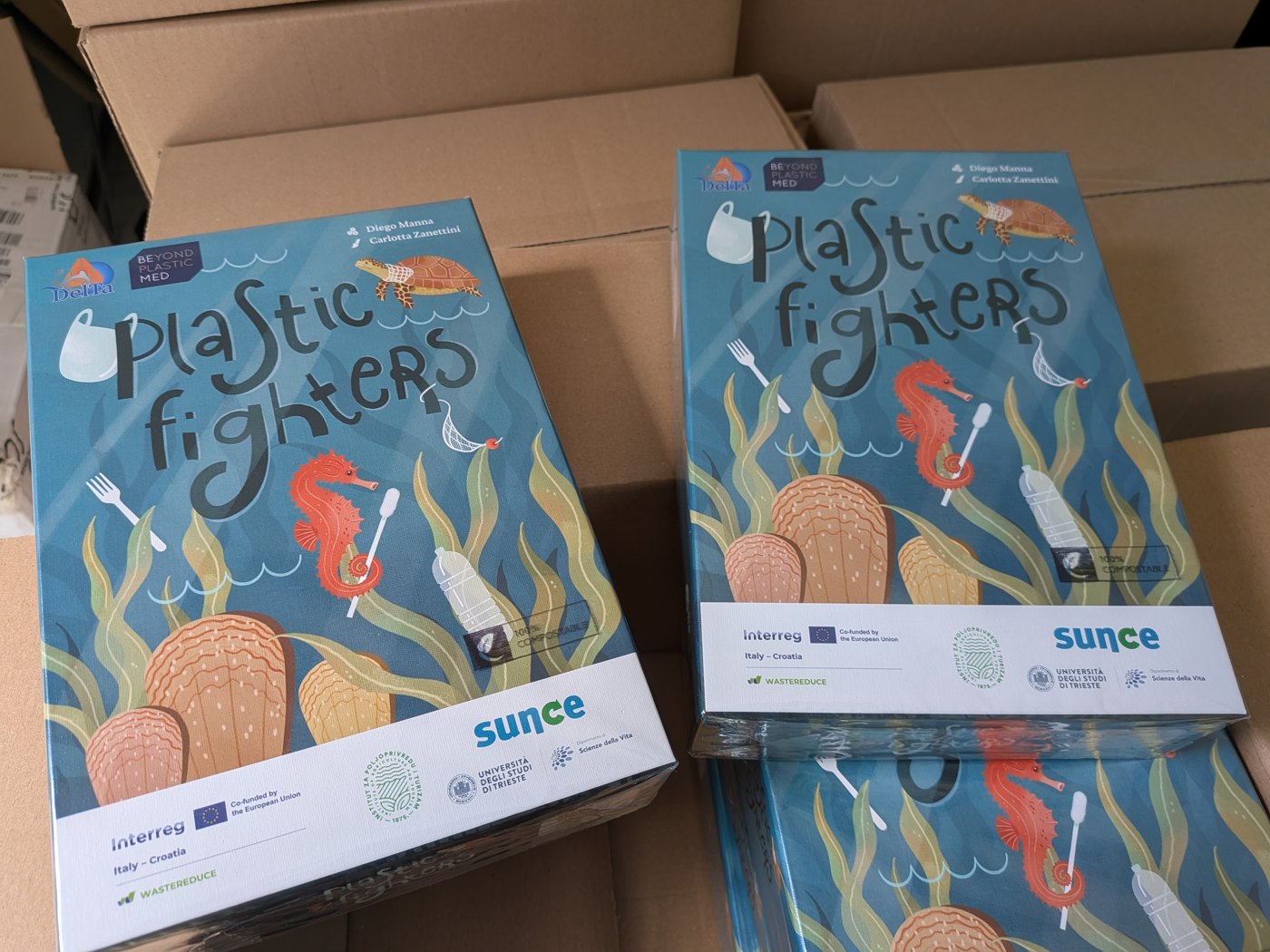
From Awareness to Action.
The project’s illustrated, multilingual booklet connects the science of litter and waste prevention to practical action in protected and Natura 2000 areas. The official library also includes the cross-border participatory strategy, pilot-site reports and educational outputs.
Browse all official deliverables ↗