Visiting Researcher
Fredrick Ojija
Senior Lecturer · Department of Earth Sciences · Mbeya University of Science and Technology · Tanzania
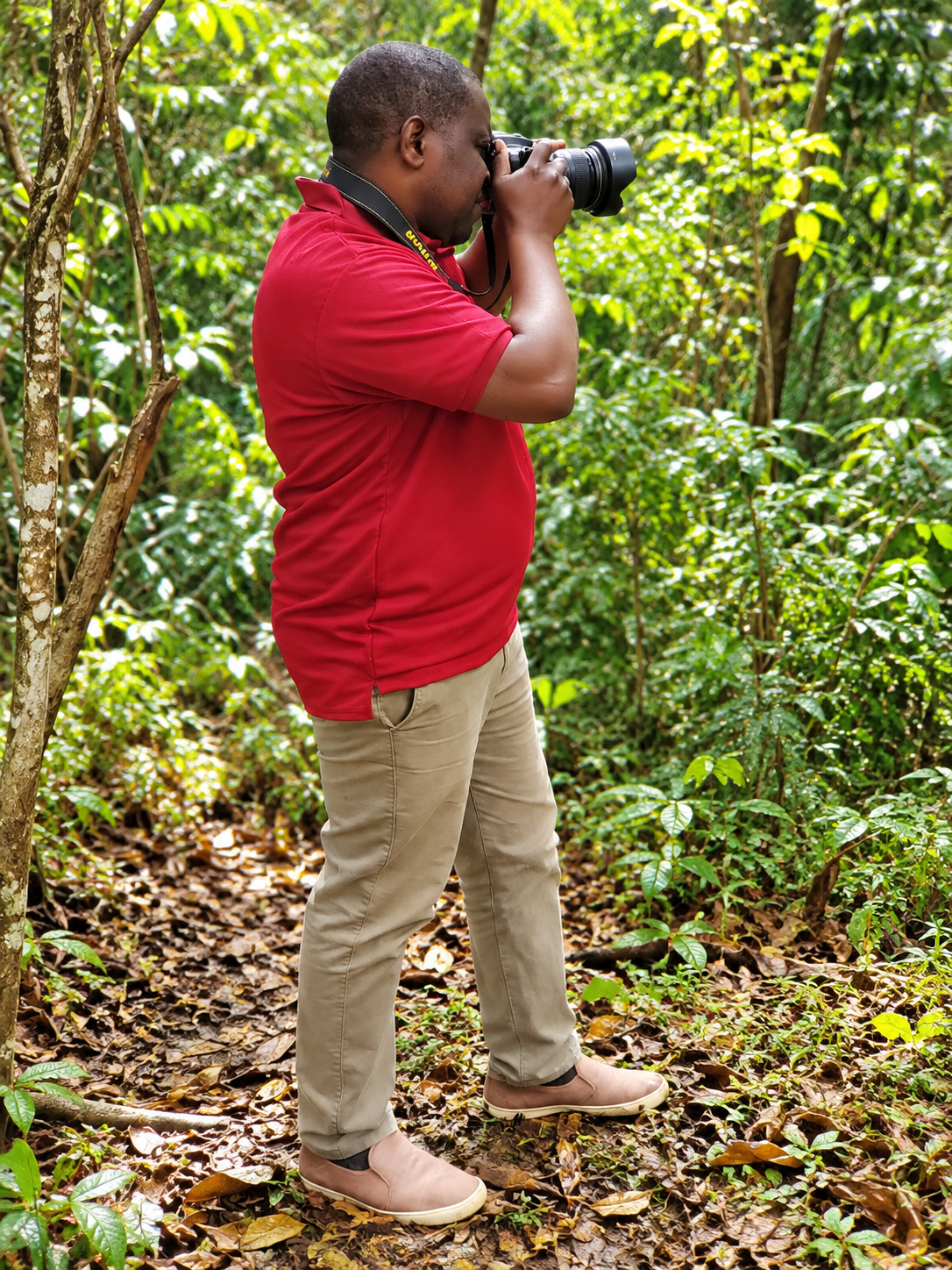
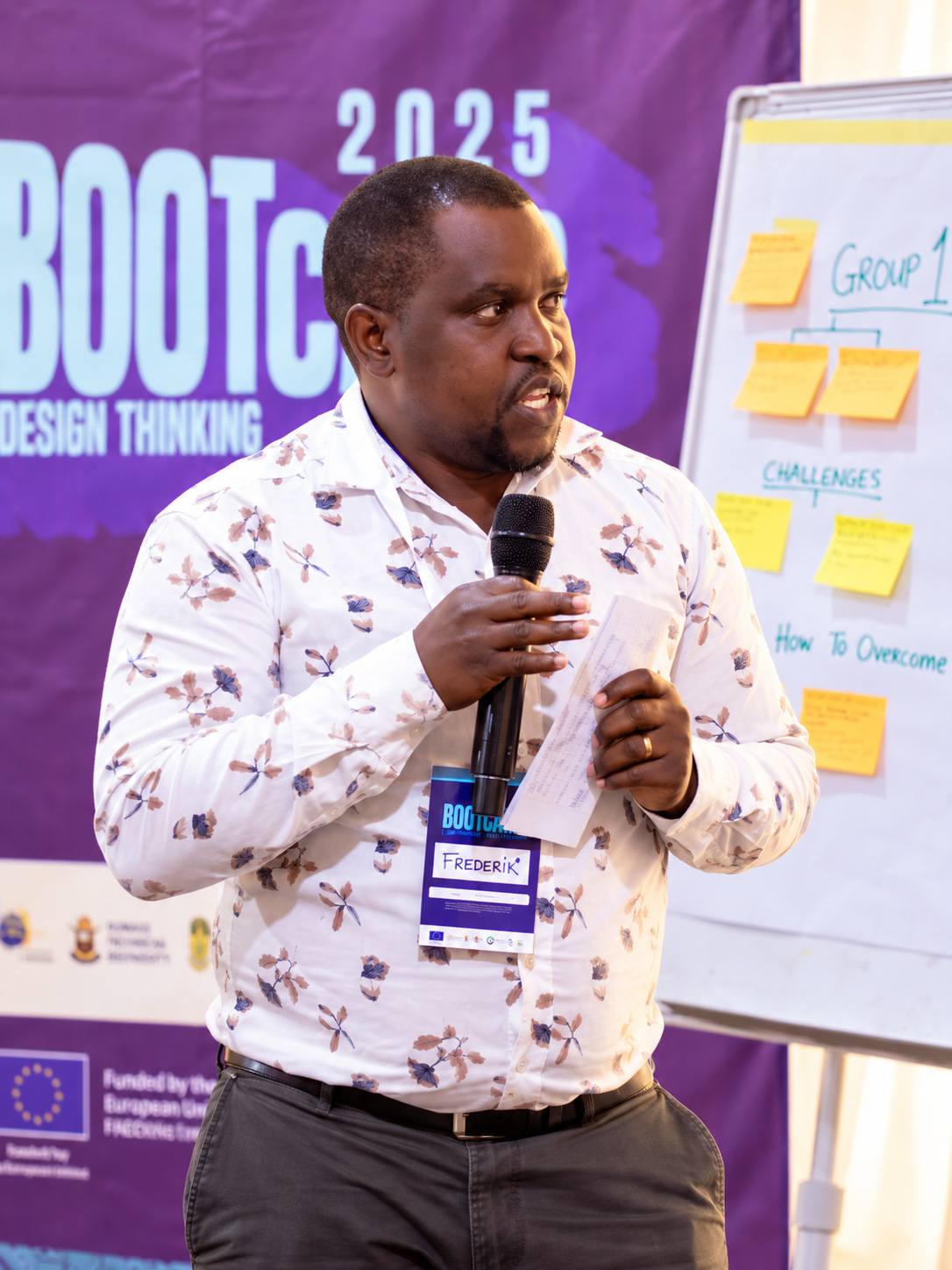
Senior Lecturer in biodiversity and ecosystem management at Mbeya University of Science and Technology, Tanzania, and former TWAS–SISSA–Lincei visiting researcher at Biodiversity Lab. His research connects biological invasions, ecological restoration, pollinator ecology, Earth observation and biodiversity conservation.
Visit at Biodiversity Lab
Research focus
Biological invasionsInvasive plant managementEcological restorationPollinator ecologyPlant–insect interactionsRemote sensingClimate-change ecologyBiodiversity conservation
Research project
Assessing invasive plant management methods as an approach to improving biodiversity and food security in sub-Saharan Africa
The visit examined environmentally sustainable invasive-plant management approaches used in Italy and their potential transferability to Tanzania. The study considered natural herbicides, flame-weeding, mulching, mowing and biological control, alongside vegetation monitoring of native plant cover, species richness and diversity in Friuli Venezia Giulia and the Karst.
Vegetation surveysNative plant coverSpecies richness and diversityComparative invasive-plant managementR-based statistical analysis
Research profile
Research trajectory & current work.
Fredrick Ojija is a Senior Lecturer in the Department of Earth Sciences at Mbeya University of Science and Technology (MUST), Tanzania. He works across biodiversity and ecosystem management, biological invasions and ecological restoration, with an emphasis on conservation challenges in sub-Saharan Africa.
His research combines vegetation and habitat surveys, invasive-plant ecology, plant–insect interactions and pollinator monitoring. His publications also address remote sensing for invasive-plant management, climate-change effects on insect biodiversity, ecological responses to disturbance and the environmental consequences of pollution.
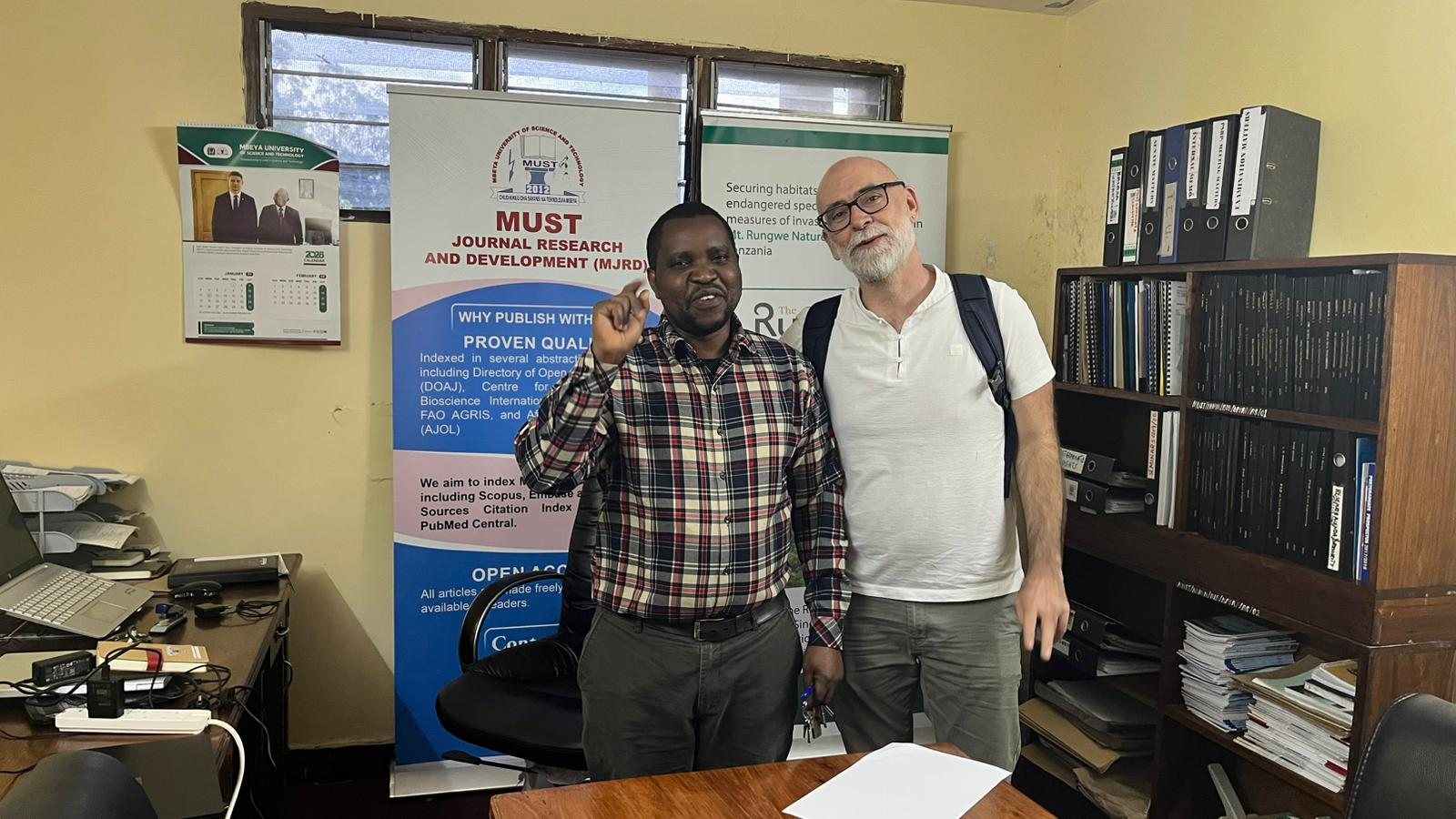
Fredrick visited the University of Trieste in October–December 2023 through the TWAS–SISSA–Lincei Research Cooperation Visits Programme. The visit examined environmentally sustainable approaches to invasive-plant management and their possible application to biodiversity recovery and food security in Tanzania. The collaboration has continued through joint publications with Biodiversity Lab on invasive plants, insect-mediated ecosystem services and forest biodiversity.