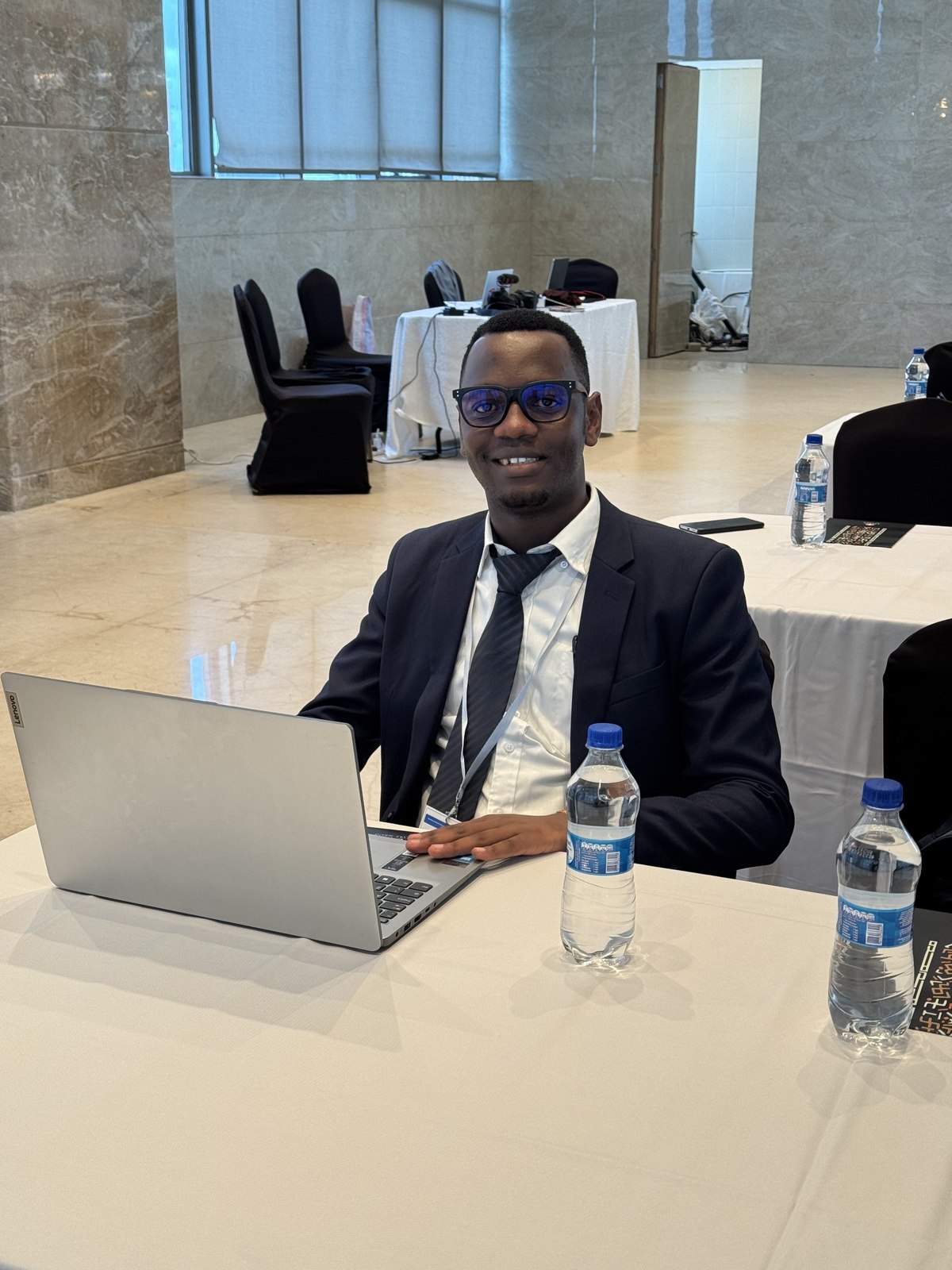
Research Fellow
Musa Yusuph Mungah
Department of Life Sciences · University of Trieste · Tanzania-based
Tanzania-based research fellow working on climate-resilient coffee systems, ecological suitability modelling and functional-trait analysis. Within Sustainable Coffee Tanzania, he integrates GIS, remote sensing and species-distribution modelling with varietal trait information to identify coffee-growing areas and varieties that may be better suited to future climatic conditions.
Research focus
Coffee agroecologySpecies distribution modellingClimate suitabilityFunctional traitsGIS & remote sensingClimate-change adaptationAgrobiodiversity
Research profile
Research trajectory & current work.
Musa Yusuph Mungah is a GIS and natural-resources conservation specialist with a background spanning ecological monitoring, wildlife conservation, land-use planning and geospatial analysis. His work combines field data, remote sensing and GIS-based modelling to support applied conservation and sustainable resource management.
From 1 August 2026 to 31 July 2028 he is a Research Fellow within Biodiversity Lab and the Sustainable Coffee Tanzania project. His work focuses on current and future suitability modelling for coffee cultivation in Southern Tanzania, combining coffee-occurrence data with environmental and climatic predictors, land-use and land-cover information, model validation, climate-scenario analysis, refugia identification and priority-area mapping.
A second component of his research addresses the functional diversity of coffee varieties. By analysing functional traits linked to drought resistance and environmental tolerance, the work aims to identify which varieties are better matched to contrasting present and future suitability conditions. This ecological component is designed to interact with the project’s genetic analyses, supporting the work led by Prof. Pallavicini on the genetic characterisation of coffee varieties.
Musa brings to the lab practical experience from protected-area monitoring, wildlife research, forest management and land administration in Tanzania. This applied background supports the project’s broader objective of linking geospatial evidence, biodiversity knowledge and crop adaptation to climate-resilient coffee production.